What Are the Must-Try Foods in Puerto Vallarta
The dishes, drinks, and street snacks that define eating in Puerto Vallarta, from al pastor tacos and pescado zarandeado to raicilla, with real prices and where to try each one.
What Are the Must-Try Foods in Puerto Vallarta
What Are the Must-Try Foods in Puerto Vallarta?
The must-try foods in Puerto Vallarta are al pastor tacos, birria, carnitas on fresh corn tortillas, pescado zarandeado, ceviche and aguachile, market staples like pozole and sopes, and street sweets such as raspados, paired with raicilla, the local agave spirit. A budget diner eats well from around Mex$250 per meal, and a guided walk can cover eight of these in one evening.
That list is short on purpose. Puerto Vallarta has hundreds of restaurants and dozens of street corners worth stopping at, but the dishes that actually define the city's table number fewer than ten, and nearly all of them come from the coastal Jalisco and Nayarit tradition rather than from a hotel menu. If you eat only five things on a short trip, the five above are the ones locals would put in front of you first.
The city earned its food credentials publicly in 2026, when two Puerto Vallarta restaurants, ICÚ and Pancho's Takos, entered the Michelin Guide Mexico selection, the first Michelin recognition the destination has ever received. Pancho's Takos is a Zona Romántica al pastor stand on Basilio Badillo, cash only, with lines most evenings. That a taco shop shares billing with a fine dining room tells you where the real eating happens here: at street level, on the walk between the Malecon and the Río Cuale.
You do not have to plan this alone. A guided walk strings the highlights together, and the deepest-reviewed option in the city is the "Downtown Walk, 3.5 Hours," which covers 8 food tastings at restaurants and stands from $59 per person. The full-site comparison lives in our best food tour in Puerto Vallarta guide if you want the long version.
Which Tacos Should You Try First?
Start with al pastor, the marinated pork taco cooked on a vertical spit, then birria, a slow braised beef or goat taco served with consommé for dipping, and carnitas, confit pork chopped to order. Each costs roughly 80 to 120 Mexican pesos for a full street dinner portion, and each has a distinct neighborhood in Puerto Vallarta where it is done best.
Al pastor is the city's default taco. The trompo spit arrived with Lebanese migration to Mexico and got adapted with achiote and dried chiles, and in Puerto Vallarta it is the taco against which every taqueria is measured. Pancho's Takos is the name that keeps appearing in 2026 coverage, partly because of the Michelin selection and partly because the line outside it rarely disappears before midnight. Order it the local way: pineapple on top, a squeeze of lime, salsa from the squeeze bottles rather than the tourist-facing jars.
Birria is the morning and late-night counterpart. The broth is the point; a good birrieria hands you the consommé in a cup alongside the tacos so you can dunk each one. In the Versalles neighborhood, which local food writers now describe as the best district for authentic street eating, birria stands open early and a few, like Birriería La Capital, keep going until 2 or 3 in the morning. Carnitas work the same way but at the carnicería counter, where corner butcher shops chop pork from copper cauldrons onto tortillas pressed minutes earlier.
| Taco | What it is | Where it is best in Puerto Vallarta | Typical street price |
|---|---|---|---|
| Al pastor | Marinated pork shaved from a vertical spit, with pineapple | Zona Romántica, especially Basilio Badillo | Roughly Mex$80-120 for a dinner portion |
| Birria | Slow braised beef or goat with consommé for dipping | Versalles neighborhood stands | Roughly Mex$80-120 for a dinner portion |
| Carnitas | Confit pork chopped to order on fresh tortillas | Corner carnicerías across Centro and Versalles | Roughly Mex$80-120 for a dinner portion |
If you want those three taco styles handed to you in a single evening rather than hunted down one by one, the "Evening Taco Walk, 3 Hours" covers 7 street-style taco tastings plus an agave tasting, from $59 per person, with drinks included. It departs from Mariscos el Guero on Calle Francisco I. Madero in the Emiliano Zapata neighborhood and is flagged as likely to sell out. Our full Puerto Vallarta taco tour guide breaks down every taco-focused walk in the city if you are comparing.
Where Does Pescado Zarandeado Fit In?
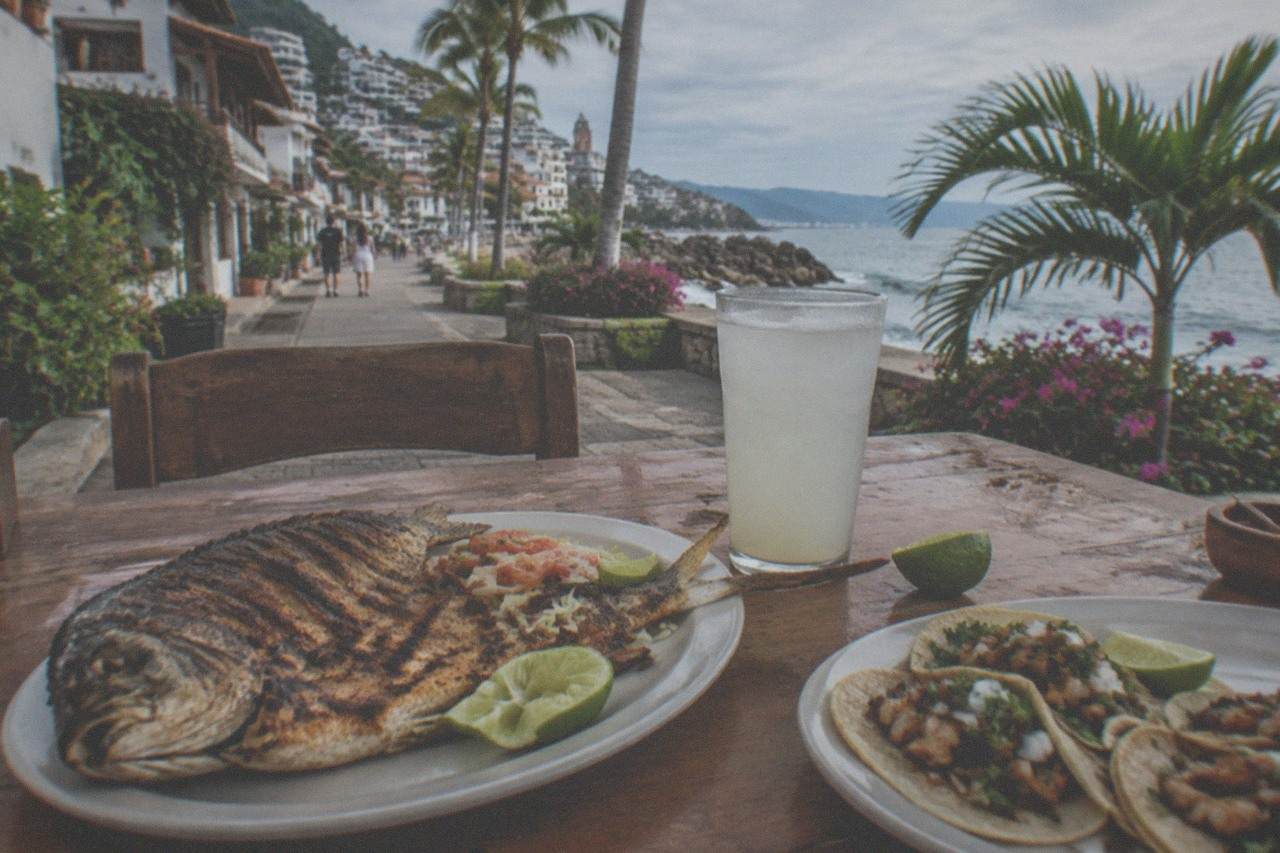
Pescado zarandeado, whole snapper butterflied open, marinated in red adobo, and grilled over charcoal in a woven basket, is the signature dish of the Puerto Vallarta and Riviera Nayarit coast. At proper restaurants it typically costs 280 to 400 Mexican pesos, and it is meant to be ordered for a table and shared.
The dish predates the resort city by centuries. Its roots run to coastal Nayarit and the prehispanic river towns around Mexcaltitán, and the technique is specific: the fish is split mariposa style, laid flat in a zaranda basket, and turned over charcoal so the adobo of achiote, citrus, garlic, and guajillo chile caramelizes without drying the flesh. Snapper is the standard fish, locally called huachinango, though pargo and róbalo appear too. This is the one dish on the must-try list that is a production, not a snack.
Ceviche and aguachile are its lighter cousins, and in Puerto Vallarta they are treated as everyday food rather than appetizer theater. Local menus commonly price fish ceviche around 225 to 384 Mexican pesos and shrimp ceviche around 310 to 486 pesos depending on portion. Aguachile, the Sinaloa-style cousin made with lime and serrano or habanero, is the sharper order on a hot afternoon, served cold with cucumber and red onion.
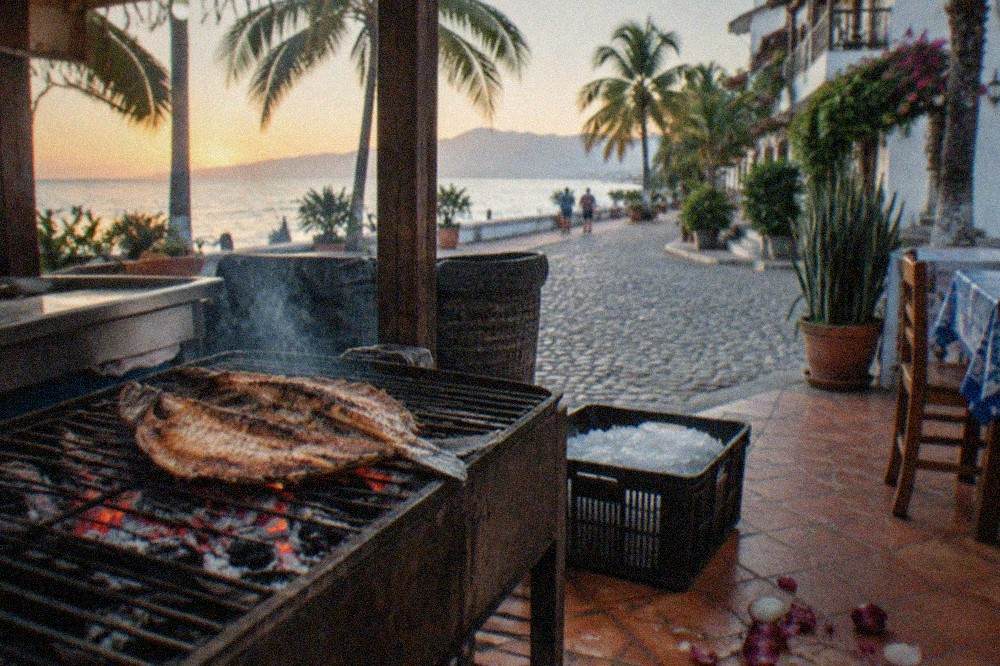
The fastest way to eat through the coastal side of the menu is the "Seafood Taco Walk, 3 Hours," which covers 7 seafood tastings including ceviche, aguachile, grilled calamari, fried octopus, a stuffed jalapeño taco, a shrimp tostada, and pescado zarandeado itself, from $59 per person. It holds a 5.0 rating from 42 reviews. Departure points vary by the option booked, so check the listing for the meeting spot that matches your neighborhood.
What Street Food Beyond Tacos Should You Look For?
Look for sopes, thick corn discs topped with beans and meat, pozole, the hominy stew served on weekends, elote and esquites, grilled or cupped corn with chile and lime, and tacos de canasta, basket tacos sold from bicycles. Together with tacos they make up the everyday street diet of the city, and most items cost a handful of pesos each.
Street food in Puerto Vallarta is not a festival that appears for visitors; it is the working lunch of the neighborhoods. The 5 de Diciembre and Versalles districts carry most of it, since that is where people actually live rather than stay. A comida corrida, the fixed midday menu of soup, rice, a main, and a drink, runs 100 to 150 Mexican pesos in Versalles, which is close to the cheapest full meal available anywhere in the city.
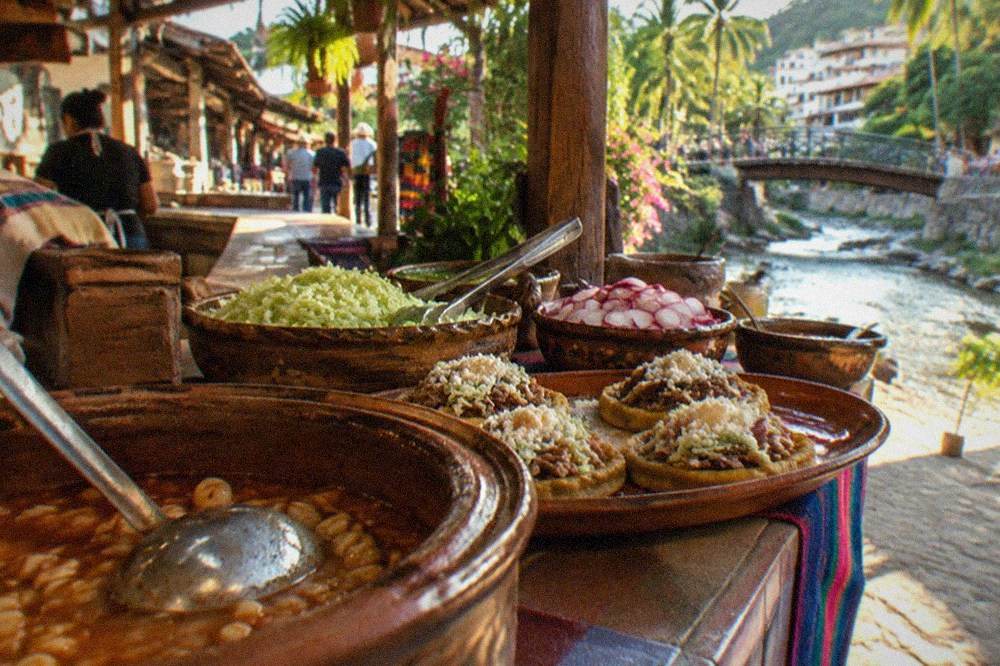
Sopes deserve a specific mention because tourists skip them. The base is a hand-formed corn disc with a raised edge, fried until it holds its shape, then layered with refried beans, a protein, lettuce, cream, and cheese. Two or three make a meal. Pozole runs the other direction: it is a bowl, garnished tableside with cabbage, radish, oregano, and chile, and it appears on Fridays and Saturdays the way it does across Jalisco. The upstairs food stalls at Mercado Río Cuale serve it daily alongside grilled fish.
For the safety question that always follows this kind of eating: the standard guidance from the US CDC for travelers in Mexico is to prefer food served hot and fully cooked, fruit you peel yourself, and bottled or purified water, and to skip raw or undercooked meat, seafood, and eggs. Street carts with high turnover and hot grills generally fit that guidance better than lukewarm buffet food does. The full official advice is on the CDC travel health page for Mexico.
What Should You Drink With All of This?
Drink raicilla, the agave spirit produced in the mountains and coast immediately south and east of Puerto Vallarta, alongside tequila and mezcal. Agave tasting experiences in the city typically run $40 to $80 per person, and raicilla is the one you cannot order in most of the world.
Raicilla is the local spirit in the literal sense: the denomination of origin, protected since 2019, covers 16 municipalities in western Jalisco including Puerto Vallarta itself, Cabo Corrientes, Mascota, and Talpa de Allende, plus Bahía de Banderas across the state line in Nayarit. It is made from maximiliana agave in the mountains and angustifolia on the coast, and it reads fruitier and less smoky than mezcal. The traditional production villages near the city, such as El Tuito, still make it in small batches, and it is the drink that distinguishes a Jalisco coastal bar from a generic one.
Tequila needs no introduction, but the tasting format does. A guided tasting walks you through tequila, mezcal, and raicilla in one sitting, which is the efficient way to learn the differences rather than guessing from a backbar shelf. The "Tequila, Tacos, Agave Cocktails" tour pairs 5 food tastings with 5 Mexican cocktails built on those three spirits, runs 4 hours from Lazaro Cardenas Park in Zona Romántica, and costs from $98 per person, with a 5.0 rating from 1,944 reviews. Our tequila and mezcal tasting tour guide covers the standalone tasting rooms too.
Beyond agave, order aguas frescas, the fresh fruit waters in jamaica, horchata, and tamarindo, with everything. They cost a few pesos, they are the default pairing with street food, and a raspado, the shaved ice dessert drowned in fresh fruit syrup, is the standard finish to a taco crawl on a warm evening.
What About Market Food and Home Cooking?
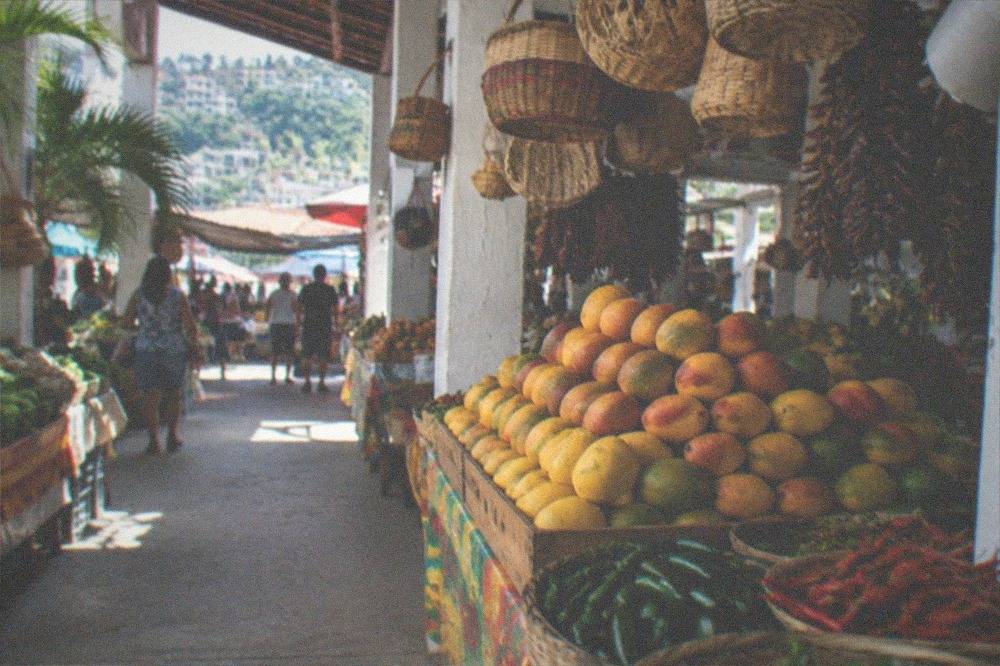
Eat at Mercado Río Cuale, the two story municipal market on the Isla del Río Cuale, where the ground floor sells crafts and silver and the upstairs fondas serve pozole, tacos, sopes, grilled fish, and aguas frescas. The market opens daily around 9 a.m. and closes in the early evening, and an inexpensive meal there costs about Mex$250.
The market is the bridge between the street and the home kitchen, and it is the one place on this list where you can watch the ingredients being bought and cooked in the same building. Hours vary slightly between listings, with the market's own site showing a daily schedule into the evening and directory listings showing a close around 6:30 p.m., so treat late afternoon as the safe window. The official hours are on the Mercado Río Cuale site.
If you want to go one step further and cook the food rather than just eat it, the market-to-table format is the most complete version: you shop the stalls with a local cook, then cook and eat the meal in their home. Market tour and cooking class combinations in Puerto Vallarta typically run $100 to $150 per person. The "Private Market Class, Lunch Included" option is the established one, departing from Mercado Cinco de Diciembre, covering a market tour, three dishes cooked hands-on, and a homemade lunch or dinner with local beer or wine, from $139 per person, with a 5.0 rating from 247 reviews.
How Much Should You Budget Per Day?
Budget roughly Mex$250 for an inexpensive single meal, Mex$1,050 for a three course dinner for two at a mid range restaurant, and 80 to 120 Mexican pesos for a street taco dinner, per the Numbeo cost of living benchmarks for Puerto Vallarta. A food tour at $49 to $139 per person replaces one full meal plus drinks and a guide.
Those numbers come from crowd sourced cost of living data, which tracks the city as it actually prices itself rather than as hotel concierges describe it. The spread between the cheapest and priciest way to eat here is enormous: a person can eat three excellent street meals for the cost of one appetizer at a resort restaurant, and the street meals are frequently the better food. The mid range figure covers the sit down restaurants of Zona Romántica's Basilio Badillo corridor, where a dinner for two with three courses averages closer to 1,500 Mexican pesos at the more polished rooms.
| Eating style | Realistic cost | What you get |
|---|---|---|
| Street taco dinner | Roughly Mex$80-120 | 3 to 4 tacos with salsas, a full evening meal |
| Inexpensive restaurant meal | About Mex$250 | A single plate or comida corrida with a drink |
| Pescado zarandeado for a table | Typically Mex$280-400 | Whole grilled fish, shared, with tortillas and salsas |
| Mid range dinner for two | About Mex$1,050 | Three courses without drinks at a sit down restaurant |
| Guided food walk | From $49 to $139 USD | 5 to 8 tastings, a guide, and drinks on some options |
The crowd sourced benchmarks behind the first two rows are published on Numbeo's Puerto Vallarta cost of living page. If your trip falls in the second half of May or early June, note that Restaurant Week runs May 15 to June 10 with 51 restaurants offering fixed three course menus at 495, 575, or 690 Mexican pesos, drinks and tips extra, which is the one window where fine dining prices drop to street adjacent levels.
How Do You Try Several of These in One Outing?
Book a guided food walk that crosses neighborhoods rather than one restaurant, and pick the format that matches your priority: the "Downtown Walk, 3.5 Hours" for the broadest tasting list, the "Old Town, Five Tacos" for the lowest price at $49, or a market class for the cooking angle. A walk covers in three hours what would otherwise take four evenings of solo research.
The economics favor a walk for first visits. The "Downtown Walk, 3.5 Hours" costs from $59 per person, includes 8 food tastings at restaurants and stands plus bottled water, departs from Lazaro Cardenas Park in Zona Romántica, and carries a 5.0 rating from 3,950 reviews, the largest review pool on any food experience in the city. It was booked more than 20 times in the past week, which is a reasonable proxy for how visitors are voting with their itineraries. That single outing puts tacos, sopes, seafood, and a street sweet in front of you with someone explaining what each one is.
The cheaper alternative is the "Old Town, Five Tacos" walk, from $49 per person, 3 hours from Taqueria el Cunado in Zona Romántica, with 5 tacos, agua fresca, and a raspado included, rated 5.0 from 38 reviews. The residential alternative is the "Pitillal Neighborhood Walk," from $59, which takes you into Pitillal, a working neighborhood entirely off the tourist strip, with tastings at 8 locations and a 5.0 rating from 328 reviews. The site behind this article, Puerto Vallarta Food Tours, exists precisely because these neighborhoods are hard to find on your own.
Whatever you book, the practical rules are the same: eat where the grill is hot and the line is local, order what the table next to you is having, and save the resort restaurants for the nights you do not feel like working for your dinner. The must-try list above will still be here tomorrow; the al pastor trompo will not, because it gets shaved down to the spindle every night.
Common Questions About Must-Try Foods in Puerto Vallarta
What Are the Must-Try Foods in Puerto Vallarta?
Al pastor tacos, birria, carnitas, pescado zarandeado, ceviche and aguachile, market staples like pozole and sopes, raspados, and raicilla. A street taco dinner runs roughly Mex$80-120, an inexpensive restaurant meal about Mex$250, and a guided walk from $59 covers 8 tastings in one outing.
Is street food in Puerto Vallarta safe to eat?
Generally yes at busy stands with hot grills and fast turnover. The CDC guidance for Mexico is to prefer hot, fully cooked food, peeled fruit, and bottled or purified water, and to avoid raw or undercooked meat, seafood, and eggs. High traffic carts meet that standard better than lukewarm buffets do.
What is pescado zarandeado and why is it a must?
It is whole snapper butterflied open, marinated in red adobo with achiote, citrus, and guajillo chile, and grilled over charcoal in a woven zaranda basket. The dish comes from coastal Nayarit and is the signature plate of the region, typically 280 to 400 Mexican pesos at proper restaurants, ordered for a table.
What is raicilla and how is it different from tequila?
Raicilla is an agave spirit with a denomination of origin covering 16 municipalities in western Jalisco plus Bahía de Banderas, protected since 2019. It is made from maximiliana agave in the mountains and angustifolia on the coast, and it tastes fruitier and less smoky than mezcal. Tastings in the city typically run $40 to $80 per person.
How much does eating cost per day in Puerto Vallarta?
Three street meals cost roughly 240 to 360 Mexican pesos total, an inexpensive restaurant meal averages about Mex$250, and a three course dinner for two at a mid range restaurant runs about Mex$1,050 without drinks. During Restaurant Week, May 15 to June 10, fixed menus drop to 495, 575, or 690 pesos at 51 participating restaurants.
Can one tour cover several must-try foods?
Yes. The Downtown Walk, 3.5 Hours includes 8 food tastings at restaurants and stands from $59 per person, with a 5.0 rating from 3,950 reviews. A seafood walk covers 7 coastal tastings including pescado zarandeado, and a market tour with cooking class adds the shopping and cooking layer for $139.