What Drink Is Puerto Vallarta Known For
Puerto Vallarta's signature drinks explained: tequila, mezcal, raicilla, margaritas and more, plus where to taste each one on a guided tour.
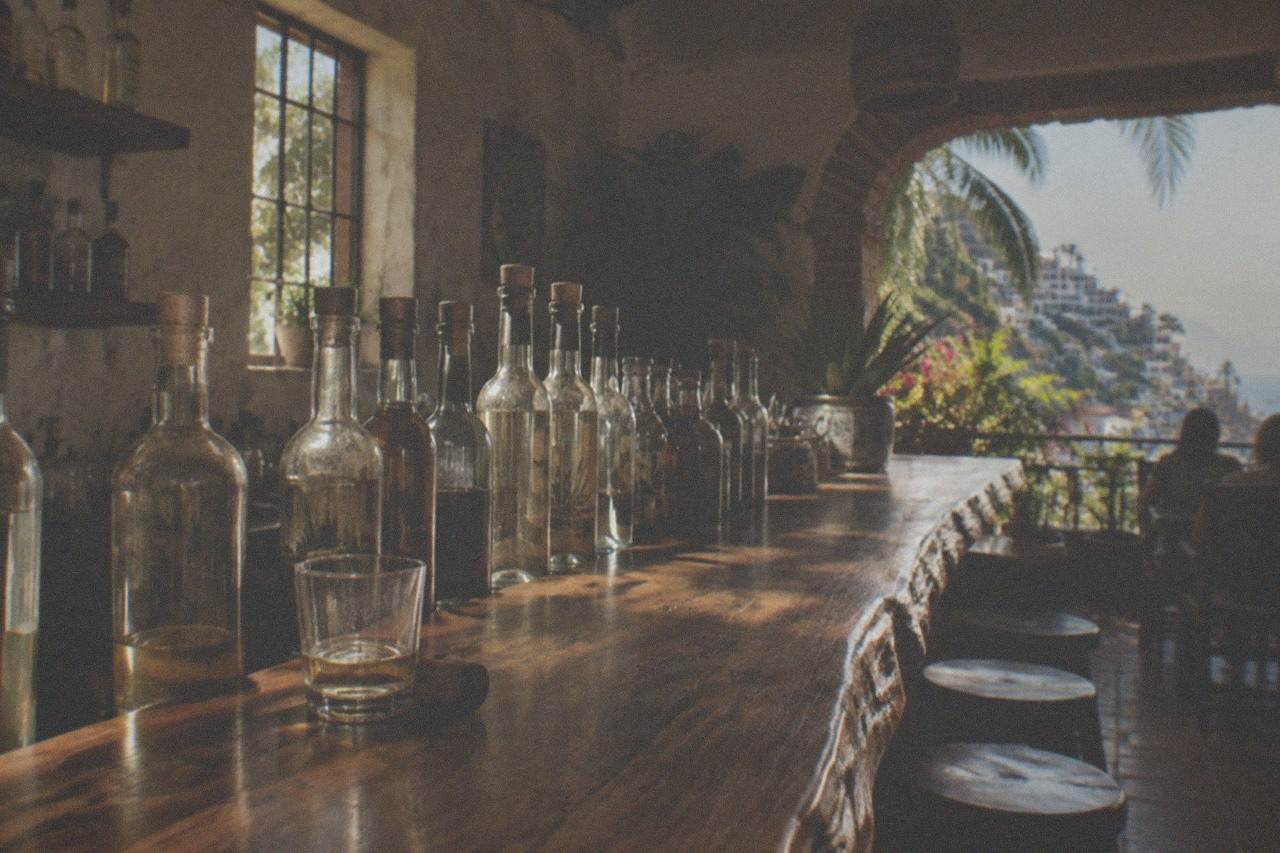
Puerto Vallarta sits on the Pacific edge of Jalisco, the Mexican state that gave the world tequila and, less famously, raicilla. That geography shapes what ends up in the glass here far more than any marketing campaign does. Walk into a cantina downtown and the shelves hold all three of the state's agave spirits plus the cocktails built on them, and the bartenders treat them as local products rather than imports.
What Drink Is Puerto Vallarta Known For?
Puerto Vallarta is known for tequila first, since Its DO is centered in Jalisco, with some neighboring-state municipalities, but the fuller answer includes mezcal and especially raicilla, a smoky, floral agave spirit whose Denomination of Origin region centers on the mountains just behind the city. Add the margarita, the michelada and fresh aguas frescas, and you have the destination's real drinking identity.
Tequila is the name every visitor arrives knowing, and for good reason: the federal Denomination of Origin for tequila covers only parts of Jalisco and a handful of neighboring municipalities, and the town of Tequila itself lies a few hours north of Puerto Vallarta. Every legitimate bottle poured in the city's bars comes from that regulated zone. The spirit must be made from blue Weber agave, and the best expressions are labeled 100 percent agave rather than mixed with cane sugar.
What surprises many visitors is how much of the local drinking culture sits outside tequila's shadow. Raicilla, the coastal and mountain agave spirit of western Jalisco, has been made around Puerto Vallarta for generations, long before it received legal recognition. Mezcal, the broader category most people associate with Oaxaca, also appears on tasting menus across the city, usually as the smoky counterpoint in a flight. A good Puerto Vallarta Food Tours itinerary treats all three as part of the same story.
The practical takeaway for a traveler: if you want to understand what the city actually drinks, a guided tasting that walks you through tequila, mezcal and raicilla side by side beats ordering shots at random. The three spirits come from different agave species, different production methods and different corners of the same state, and tasting them together makes the differences obvious in a way no single pour ever will.
Tequila: The Name Everyone Knows
Tequila is the flagship drink of Jalisco and the spirit most visitors associate with Puerto Vallarta, legally producible only from blue Weber agave grown inside the designated region of Jalisco and a few adjacent municipalities. Blanco, reposado and añejo expressions all appear on local menus, and tastings typically run $40 to $80 per person for a guided flight.
The rules around tequila are stricter than most people realize. By law it must be distilled from blue Weber agave, and the plant needs years in the ground before harvest, when jimadores strip the leaves to leave the piña, the core that gets cooked, crushed, fermented and distilled. The Denomination of Origin limits where both the agave and the production can happen, which is why tequila is not simply a generic word for Mexican liquor, whatever the souvenir shop shelf implies.
Age statements tell you what to expect in the glass. Blanco is unaged or briefly rested, sharp with agave and citrus. Reposado spends time in oak, picking up vanilla and a softer finish. Añejo ages longer and reads closer to a sipping whiskey. In Puerto Vallarta's better bars, the trend is toward treating tequila the way wine regions treat their local bottles: poured neat, in flights, with the region named on the menu.
If you taste tequila in a flight, drink it youngest to oldest. Start with the blanco while your palate is fresh, move to reposado, and finish with añejo, since the oak notes will overwhelm the bright agave character of the younger pours if you go the other way. It is the same logic a winery applies to whites before reds, and it is the reason guided flights are arranged the way they are.
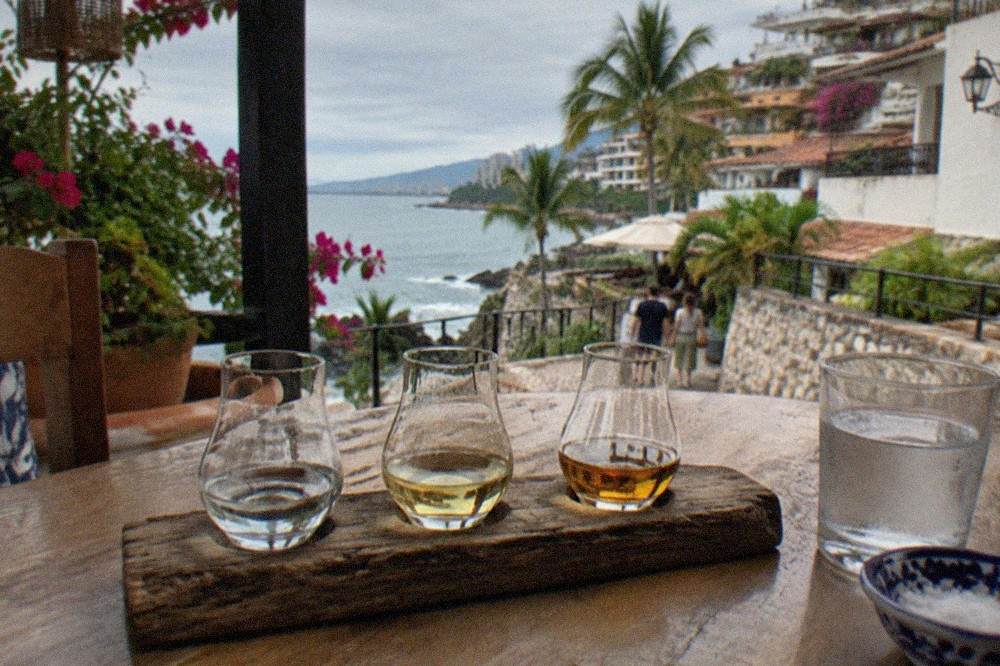
If you want the tequila story paired with food rather than standing alone, the "Tequila, Tacos, Agave Cocktails" tour from Lazaro Cardenas Park is built exactly for that: 4 hours, five food tastings and five Mexican cocktails spanning tequila, mezcal and raicilla, from $98 per person. It holds a 5.0 rating from 1,944 reviews, which is a genuinely deep pool for a tasting experience in this market, and it was booked twice today when the roster was last checked.
Mezcal: The Smoky Cousin
Mezcal is the broad category of Mexican agave spirits, and in Puerto Vallarta it shows up as the smoky, often rustic pour in tasting flights. Unlike tequila's single-species rule, mezcal can be made from many agave varieties, traditionally cooked in underground pits, which is where its signature smoke comes from.
The easiest way to explain mezcal to a first-time taster: tequila is to mezcal what single-malt scotch is to whisky generally, one tightly defined product inside a wider family. Mezcal's Denomination of Origin spans several states, Oaxaca most famously, and its production rules allow dozens of agave species. The agave hearts are roasted, frequently in stone-lined pits over wood and charcoal, and that roast is what puts the smoke in the glass.
In Jalisco, the spirit that locals historically made was not Oaxacan-style mezcal at all but raicilla, which technically sits outside the mezcal DO even though it is an agave spirit made by similar methods. That distinction matters on tasting menus in Puerto Vallarta, where a "mezcal" pour and a "raicilla" pour are different products with different histories, even when they arrive in identical copitas. Bartenders here increasingly present mezcal as the bridge between the tequila everyone knows and the raicilla almost nobody knows yet.
Practically, mezcal works best in two ways on a Puerto Vallarta trip: as a neat pour you sip slowly, and as the smoky note in a craft cocktail. A mezcal margarita or a mezcal negrita-style build shows off the spirit without demanding you love smoke on its own. When you taste at a bar, ask whether the pour is espadín, the most common varietal, or something wilder, because the answer changes both the flavor in front of you and the price behind it.
Raicilla: Puerto Vallarta's Own Agave Spirit
Raicilla is the agave spirit actually local to Puerto Vallarta, made in the mountains and coast immediately behind the city, protected by a Denomination of Origin declared in 2019 covering 16 Jalisco municipalities plus Bahía de Banderas. It is usually smoother and more floral than mezcal, with a gentle smoke, and it is the drink most worth discovering here.
Raicilla has the strangest history of the three. It was produced for centuries in the Sierra Madre villages near Puerto Vallarta, in places like El Tuito and Mascota, often semi-clandestinely, and it was only in June 2019 that the Mexican Institute of Industrial Property granted it a formal Denomination of Origin. The DO region includes Puerto Vallarta itself, Cabo Corrientes, Mascota and Talpa de Allende, among others, plus Bahía de Banderas across the state line in Nayarit. That makes raicilla the only one of the three spirits whose legal home region contains the city you are standing in.
Production differs from tequila in ways you can taste. Coastal raicilla is typically made from angustifolia agave while mountain versions use maximiliana, the agave hearts are usually roasted rather than steamed, and distillation has traditionally been in small, sometimes improvised stills. The result lands somewhere between tequila's clean brightness and mezcal's heavy smoke: floral, faintly herbal, with a soft smoke that does not dominate. Most people who try it side by side with the other two call it the most approachable pour of the flight.
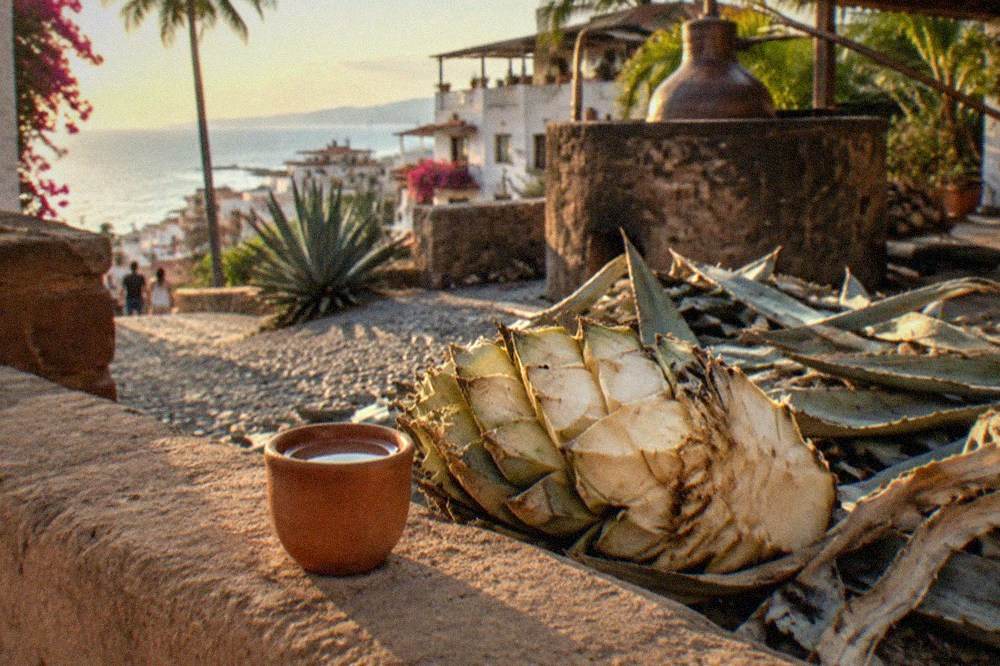
The regulatory picture is still catching up with the tradition: as of 2026 the DO exists but a final technical standard has not been finalized, and there is no regulatory council equivalent to tequila's yet. For a drinker that is mostly good news, since production remains small-scale and village-rooted. One route into it is the "Raicilla Distillery Food Pairing" experience at Restaurant Oscars Distillery, a Clandestina Raicilla venue in Zona Romantica, which pairs tequila, mezcal and raicilla tastings with four food pairings including ceviche, an enchilada, chocolate-covered strawberry and churros, from $106 per person. It is a new listing, not yet rated, so treat the format as the draw rather than a review track record.
Beyond Agave: Margaritas, Micheladas and Aguas Frescas
The margarita is the cocktail Puerto Vallarta is known for, and it is taken seriously here, from street-side lime-and-tequila builds to smoked versions with mezcal. Alongside it sit the michelada, a savory beer cocktail, and aguas frescas, the non-alcoholic fresh-fruit waters sold at markets and taco stands all over the city.
The margarita deserves its own paragraph even in an article about spirits, because in Puerto Vallarta the cocktail is often the entry point to them. The classic build is tequila, fresh lime and orange liqueur, and the quality test is simple: if the lime juice is fresh, the bar cares. Local variations swap in mezcal for smoke, add raicilla as a float, or char the fruit. One popular local experience leans into this hard: the "Cooking Class, Unlimited Margaritas" tour in Marina Vallarta runs 5 hours, includes lunch, transport and a tequila and mezcal tasting, and pours unlimited lemon margaritas through the class, from $95.53 per person, rated 4.8 from 142 reviews.
The michelada is the drink locals actually order at a beach bar at noon. It is beer in a salt-rimmed glass with lime, hot sauce, Worcestershire-style sauces and sometimes clamato, savory where the margarita is tart. It pairs with ceviche and grilled fish the way the margarita pairs with tacos, and it appears on virtually every seafood menu from the Malecon south into Zona Romantica. Visitors who only drink margaritas miss half the city's drinking culture by skipping it.
Aguas frescas, fresh-fruit waters in flavors like horchata, jamaica and melon, are the non-alcoholic backbone of the local food scene, poured at taco stands and market fondas for pocket change. They matter to this story because they are the same refreshment tradition the agave spirits grew out of: something cold, local and made from what the land produces. In summer the flavors shift to whatever is peaking, melon and cucumber early, mango and tamarind as the heat builds, and the best stalls sell a raspado, the shaved-ice fruit treat, from the same counter. The "Old Town, Five Tacos" tour builds both into its route, with agua fresca and a raspado served alongside its five tacos, from $49 per person, the cheapest guided format on this site's roster.
| Drink | What is in it | Where you will find it | A tour that pours it |
|---|---|---|---|
| Margarita | Tequila, fresh lime, orange liqueur | Cantinas citywide, Zona Romantica especially | Cooking Class, Unlimited Margaritas |
| Michelada | Beer, lime, hot sauce and savory sauces, salt-rimmed glass | Seafood restaurants from the Malecon south | None needed; order one alongside ceviche |
| Agua fresca | Fresh fruit or grain waters: horchata, jamaica, seasonal fruit | Taco stands and market fondas | Old Town, Five Tacos (with a raspado) |
| Agave cocktails | Tequila, mezcal and raicilla in mixed builds | Craft cocktail bars in Zona Romantica | Tequila, Tacos, Agave Cocktails |
For more on how drinks fit into the wider food landscape, see our guide to eating across Puerto Vallarta.
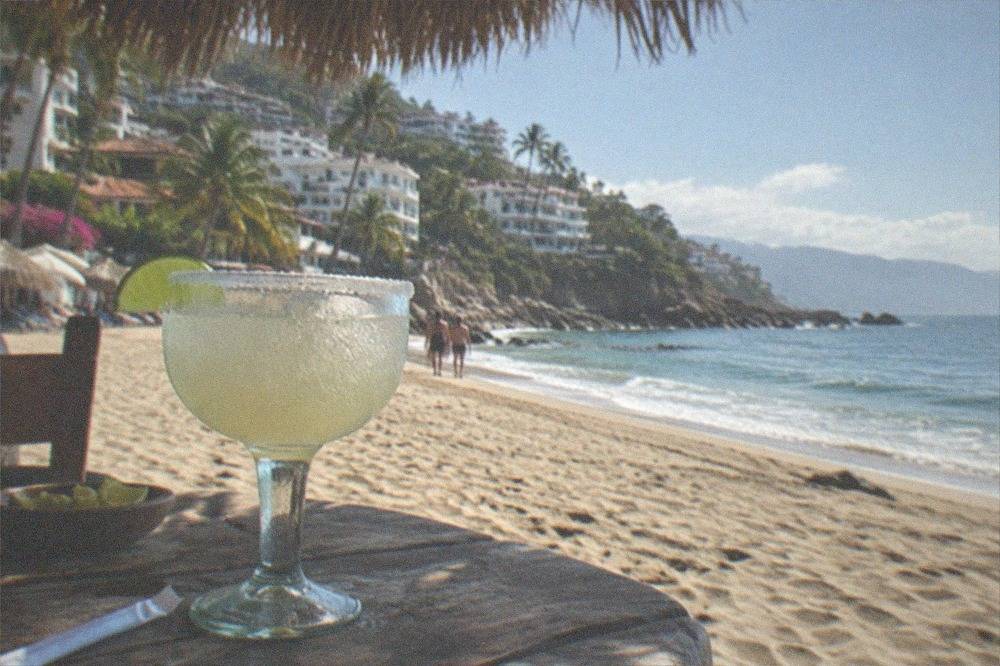
Where to Taste: Bars, Flights or a Guided Tour?
A guided tasting tour is the most efficient way to try tequila, mezcal and raicilla in one evening, since flights at bars cost roughly $40 to $80 per person anyway and come without the context. A structured walk adds food pairings, a guide who explains each spirit, and a route through Zona Romantica you can reuse on your own afterward.
Standalone agave tasting flights in Puerto Vallarta in 2026 typically run from about $40 for a basic guided tasting of three tequilas plus mezcal and raicilla, up to about $80 for private or mezcal-focused formats. That price band is worth knowing because it makes the food-paired tours look reasonable rather than premium: for a modest amount more you get dinner-adjacent tastings along with the pours. The economics favor the tour format unless you already know exactly what you like.
The other argument for a guided format is the raicilla problem. Very few bars in the city stock a good raicilla, and fewer still can explain what you are drinking, because the spirit is still tiny and village-produced. A tasting designed around all three spirits solves that in one sitting. The "Tequila, Tacos, Agave Cocktails" tour does exactly this, departing Lazaro Cardenas Park in Zona Romantica for 4 hours, from $98 per person, with a 5.0 rating from 1,944 reviews and same-day bookings recorded on the roster.
If your budget is tighter, or you simply want agave in a casual street format rather than a cocktail lounge, there is a middle path. The "Evening Taco Walk, 3 Hours" from Mariscos el Guero in Zona Romantica includes an agave tasting alongside seven street-style taco tastings, with drinks included, from $59 per person. It holds a 5.0 rating from 124 reviews, and the listing flags it as likely to sell out, so booking ahead matters more here than on most evenings you will plan in this city.
Decide first whether you want to taste neat or in cocktails. A flight of straight pours teaches you what each spirit actually is; a cocktail-forward format shows you how the city drinks them. The mixology tour covers both bases by pouring five Mexican cocktails across tequila, mezcal and raicilla between its five food stops, which is why it works as an introduction for people who do not yet know which of the three they will love.
Here is how the three spirits compare at a glance:
| Spirit | Agave used | Where it is made | Flavor profile | Typical way to drink it |
|---|---|---|---|---|
| Tequila | Blue Weber agave only | Jalisco and a few adjacent municipalities | Clean, bright, citrus and agave; oak notes when aged | Neat in flights, or in a margarita |
| Mezcal | Many agave species | Several states, Oaxaca most famously | Smoky, roasted, often rustic | Sipped slowly from a copita |
| Raicilla | Maximiliana (mountains), angustifolia (coast) | 16 Jalisco municipalities plus Bahía de Banderas, including Puerto Vallarta | Floral, herbal, soft smoke | Neat, or in local craft cocktails |
And how the main tasting experiences stack up:
| Experience | Format | Price from | Duration | Rating |
|---|---|---|---|---|
| Tequila, Tacos, Agave Cocktails | 5 food tastings plus 5 cocktails across all three spirits | $98 | 4 hours | 5.0 from 1,944 reviews |
| Raicilla Distillery Food Pairing | Three-spirit tasting with 4 food pairings | $106 | Duration confirmed at booking | New listing, not yet rated |
| Cooking Class, Unlimited Margaritas | Cooking class with tequila and mezcal tasting, unlimited margaritas | $95.53 | 5 hours | 4.8 from 142 reviews |
The Mountains Behind the Bar: Where Raicilla Comes From
Raicilla is produced in the Sierra Madre villages immediately south and east of Puerto Vallarta, with El Tuito the best-known local center, inside a Denomination of Origin zone that stretches across 16 Jalisco municipalities and Bahía de Banderas. The regulatory council tequila enjoys does not exist for raicilla yet, which keeps production small and village-rooted.
The geography explains the flavor. The DO list runs from Cabo Corrientes and Talpa de Allende up through Mascota and San Sebastián del Oeste, mountain towns where agave grows slowly at altitude and the distilling tradition predates the paperwork by centuries. What you taste in a copita in Zona Romantica likely started as a harvest in one of those valleys, cooked and fermented on a scale that would embarrass a commercial tequila plant. While tequila's home route draws over a million visitors a year, raicilla remains a craft product by structural necessity rather than by branding choice.
That absence of scale has a practical upside for visitors: the tastings in Puerto Vallarta are often poured by people with a direct line to the producers, and the distillery-style experiences in the city work with single producers rather than blended stocks. The closest thing the spirit has to an industry body is the Consejo Mexicano Promotor de Raicilla, a promotional group rather than a regulator, so quality lives or dies on the reputation of each village producer.
For travelers who want to go deeper after a first tasting, our tequila and mezcal tasting guide breaks down the tasting experiences by format and price. The short version: taste the three spirits in the city first, then decide whether the mountains are worth a day of your trip.
What About the Water? A Quick Safety Note
Do not drink tap water in Puerto Vallarta; use bottled or purified water, the standard guidance from the US CDC for travelers in Mexico, and apply the same caution to ice of unknown origin in off-the-beach spots. Reputable restaurants and tour operators use purified water, and the guided food and drink walks on this site operate to that standard.
The CDC's traveler guidance for Mexico is blunt on this point: drink bottled or purified water, skip raw or undercooked items you cannot verify, and favor food served hot. Puerto Vallarta's established restaurants and tour operators use purified water as a matter of course, so the practical risk sits mostly with unregulated street vendors rather than the venues a food tour visits. The full guidance is on the CDC Mexico travel health page.
One more note for anyone planning tasting sessions: raicilla and mezcal both run comparable alcohol content to tequila, and a three-spirit flight on an empty stomach is a mistake. The food-paired formats exist partly for this reason. Eat first, or choose a tour that feeds you along the way, alternate pours with water, and treat the tasting as the evening's main event rather than its warm-up. For the deeper background on the spirit that is actually local to this coast, the mezcalistas raicilla explainer covers the DO and production detail in full.
If you want to build a whole evening around the city's drinking culture rather than a single tasting, our Zona Romantica orientation guide maps the neighborhood where most of the good agave bars and tasting rooms cluster.
Common Questions About What Drink Is Puerto Vallarta Known For
What Drink Is Puerto Vallarta Known For?
Tequila is the headline answer, since Jalisco is its only legal home state, but Puerto Vallarta is also known for mezcal and especially raicilla, the agave spirit whose Denomination of Origin region includes the city itself. The margarita, the michelada and fresh aguas frescas round out the local drinking culture.
Is raicilla the same as mezcal?
No. Raicilla is a Jalisco agave spirit with its own Denomination of Origin, declared in 2019, and it technically sits outside the mezcal DO. It is usually more floral and less smoky than Oaxacan-style mezcal, though both are made from roasted agave hearts.
How much does a tequila tasting cost in Puerto Vallarta?
Standalone agave tasting flights typically run $40 to $80 per person in 2026, depending on format. Food-paired tasting tours run from $95.53 to $106 and include several tastings plus food, which often makes them the better value.
Can you drink the water in Puerto Vallarta?
Do not drink tap water. Use bottled or purified water, per CDC guidance for Mexico, and stick to established restaurants and tour operators, who use purified water as standard practice.
Which tour covers tequila, mezcal and raicilla together?
The Tequila, Tacos, Agave Cocktails tour pairs five food tastings with five Mexican cocktails spanning all three spirits. It runs 4 hours from Lazaro Cardenas Park in Zona Romantica, from $98 per person, rated 5.0 from 1,944 reviews.
What is the best non-alcoholic local drink?
Aguas frescas, the fresh-fruit waters sold at taco stands and market fondas, are the city's everyday drink. Horchata, jamaica and seasonal fruit flavors are the most common, and they cost a fraction of any cocktail.