How Many Days in Puerto Vallarta Is Enough
A practical answer to how many days you need in Puerto Vallarta, from a fast three-day weekend to a ten-day stay, with neighborhood pacing, daily costs, and seasonal timing.
How Many Days in Puerto Vallarta Is Enough
How Many Days in Puerto Vallarta Is Enough
Three days is the honest minimum for Puerto Vallarta, five to seven is the sweet spot for most travelers, and anything past ten only pays off if you want day trips, beach time, and a slower rhythm rather than more sightseeing. The city is compact, but it is split by the Cuale River into distinct districts that each reward a full half-day, and the best excursions sit two to three hours out of town.
That range, three to seven days with a floor of three, is the consensus that comes up again and again in current trip-planning guidance, and it matches the geography. Puerto Vallarta is not one attraction surrounded by filler. It is a string of neighborhoods, each with its own character: the Malecon and el Centro north of the river, Zona Romantica and its restaurant corridors to the south, the residential neighborhoods like 5 de Diciembre and Pitillal inland, and the Marina and hotel zone stretching north toward the airport. A visitor who tries to compress all of that into two days ends up shuttling rather than seeing anything.
The other force at work is the day-trip math. Sayulita, San Sebastian del Oeste, the tequila distillery towns, whale watching in season, and the southern beaches at Quimixto or Yelapa all sit outside the city proper. Each one consumes a full day, and each one is genuinely worth a full day. So the question of how long to stay is really two questions: how much of Puerto Vallarta itself do you want to absorb, and how many of the surrounding excursions are on your list?
A useful framing is to budget one day per district you actually care about, plus one day per excursion, plus a buffer day. Most people land somewhere between five and seven days when they do that arithmetic honestly. Fewer than three and you are choosing between the Malecon and the beach rather than doing both.
There is also a fatigue factor that itinerary spreadsheets never capture. Puerto Vallarta is hot, even in the dry season, and the walking districts are built on cobblestones and hills. A schedule that stacks a morning market, a midday beach, and an evening taco crawl for four days straight will wear down anyone not used to the climate. The travelers who report the best trips are almost always the ones who built in one day with nothing on it, and that day is the first casualty of a too-short stay.
If food is a primary reason for the trip rather than a side benefit, the calculus shifts slightly. The city's eating is spread across evening taco stands, daytime market fondas, seafood specialists, and a growing slate of chef-driven rooms, and no single day touches more than a corner of it. A guided evening walk is one efficient way to compress that first night, and the three options below are the ones travelers compare most often for exactly that purpose.
What Can You Realistically Fit Into Three Days?
Three days covers the Malecon, one solid afternoon in Zona Romantica, a beach session at Los Muertos or Playa Camarones, and one evening of serious eating, with no room for a day trip. It works as a long weekend, but you will leave with the neighborhoods only half explored and every excursion untouched. Treat it as a sampler, not a survey.
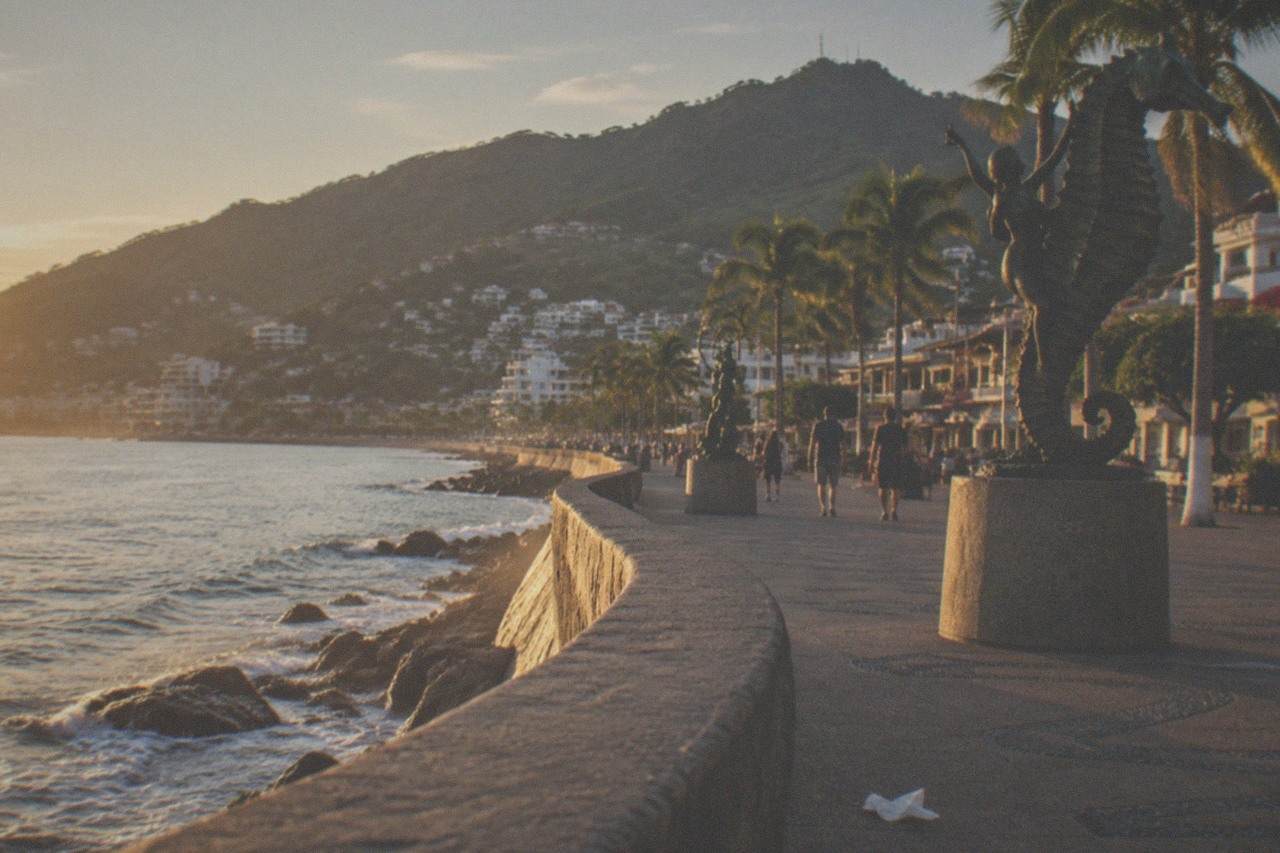
Day one should be el Centro. Walk the full length of the Malecon, which runs about 760 meters from near Hotel Rosita down to the Los Arcos amphitheater, and give the sculptures along it more than a glance: the Boy on the Seahorse, the Vallarta Dancers, and Nostalgia are landmarks locals actually use for directions. The city's official visitor resources cover the boardwalk's history and landmarks in detail if you want the background before you go. Work inland to the Plaza de Armas and the parish church of Our Lady of Guadalupe, then finish the day with dinner somewhere in the Centro grid.
Day two belongs to Zona Romantica, south of the Cuale River. This is the walkable dining heart of the city: cobblestone streets, Los Muertos pier and beach, and Basilio Badillo, the stretch locals call Restaurant Row. Cross the river via the Isla del Rio Cuale on the way, since the market there is worth an hour on its own, a point covered in more detail in our guide to Mercado Rio Cuale and its food stalls.
Day three is the flex day. Beach in the morning, a cooking class or a market wander at midday, and a final evening of tacos. If any single evening should be the food evening, make it this one: the "Downtown Walk, 3.5 Hours" turns a first visit to Old Town into eight tastings with a guide who explains what you are eating, rated 5.0 from 3,950 reviews and priced from $59. For a trip this short, a guided walk is also a shortcut to knowing which stands to return to on your own.
The three-day version has one structural weakness worth naming: it leaves no margin for weather or closures. A cruise day can double the crowds on the Malecon, and a single rainy afternoon in the green season erases a third of the trip. Anyone booking the short version should keep the flex day genuinely flexed, with a backup plan that is indoor and central, and should book the food walk for the first evening rather than the last, so a cancellation can be rebooked instead of lost.
Is Five to Seven Days the Sweet Spot?
Yes. Five to seven days is the range where Puerto Vallarta stops feeling rushed and starts feeling known: every central district gets its half-day, two or three excursions fit, and you still have unstructured beach hours. Current planning guidance consistently recommends five to seven days as the ideal, with three as the minimum and seven to ten or more for deeper exploration.
The reason five days works is that the city's districts do not share time well. The Malecon and Centro are a morning-and-evening place, hot and cruise-crowded at midday. Zona Romantica is an afternoon-and-dinner place. Pitillal and 5 de Diciembre are daytime, working neighborhoods where the eating happens at lunch stands and family kitchens, not at night. Once you accept that rhythm, five days lays itself out naturally: two days for the central districts, one for the residential food neighborhoods, one for an excursion, and one genuinely lazy beach day that a shorter trip never allows.
Seven days adds the second and third excursions. Sayulita and the northern Riviera Nayarit beaches take one. San Sebastian del Oeste, the mountain town in the raicilla-producing hills behind the coast, takes another. Whale watching, in season, takes a morning or an afternoon. If agave spirits are part of the draw, an evening tasting in town costs far less time than a distillery day trip: the "Tequila, Tacos, Agave Cocktails" walk pairs five food tastings with five Mexican cocktails over four hours, rated 5.0 from 1,944 reviews and from $98.
The five-to-seven-day trip is also where a cooking class earns its slot. A market tour plus hands-on class is a half-day commitment, typically priced in the $100 to $150 per person range for market-to-table formats in the city, and it is the kind of activity that gets cut first on a compressed itinerary and treasured most on a relaxed one. The "Private Market Class, Lunch Included" version runs 3.5 hours from Mercado Cinco de Diciembre, covers three dishes, and includes a homemade meal with local beer or wine, from $139. It is a morning that doubles as a grocery education, and it only makes sense when the trip has enough slack to absorb it.
Wondering how to fill one of those evenings?
A food-and-cocktails walk is an easy answer, and free cancellation on the live listing means you can lock the evening in early and adjust if your plans shift.
When Does a Ten-Day Stay Actually Make Sense?
Ten days or more makes sense for three kinds of travelers: people combining the city with a serious beach week, people working remotely and wanting a slower base, and people determined to do most of the excursions without ever packing a bag before 10 a.m. Beyond that, extra days in the city itself hit diminishing returns, since the central districts are fully covered in a week.
The honest limit is that Puerto Vallarta proper is a week's worth of material. What scales past that is the region: the southern coves reachable only by boat, the mountain towns along the raicilla route, the Nayarit coast north of the river mouth, and the seasonal draws like humpback whales, which pass through Banderas Bay in winter. If none of those interest you, seven days is plenty and the extra days are better spent elsewhere or saved.
Slow travelers are the exception. A growing share of visitors treat the city as a base for two or three weeks, working mornings from a rental and eating their way through the neighborhoods at a pace no guidebook contemplates. For that crowd, the residential food districts earn their keep: Pitillal, where the "Pitillal Neighborhood Walk" covers eight tasting locations for from $59, and 5 de Diciembre, where a 2.5-hour breakfast-and-local-foods walk runs from $55. Those are places a three-day visitor never reaches.
Weather also argues for longer stays in the green season. Rainy season runs June through October with the heaviest rain from July to September, and the dry, peak months are December through April. A ten-day shoulder-season stay hedges against a few washed-out afternoons in a way a four-day one cannot.
There is a social rhythm to the long stay, too, that short-trip advice never mentions. Puerto Vallarta rewards repetition: the taqueria you liked on night two becomes your regular by night eight, the market vendor starts setting aside the good mangoes, and the neighborhood you almost skipped becomes the one you would return for. That kind of familiarity is not available on a three-day clock, and it is the quiet reason some travelers keep extending.
How Should You Split Your Days Between Neighborhoods?
Split by time of day, not by checklist: Centro and the Malecon for mornings and evenings, Zona Romantica for afternoons and dinner, the residential neighborhoods for lunch, and the beaches for whatever hours the sun allows. Puerto Vallarta's districts each have a natural rhythm, and working with it beats a fixed itinerary that fights the heat and the crowds.
| Day plan | Neighborhoods | Best hours | What you are there for |
|---|---|---|---|
| Day 1 | El Centro and the Malecon | Morning, then evening | Sculptures, the 760-meter boardwalk, plaza, dinner |
| Day 2 | Zona Romantica | Afternoon into night | Restaurant Row, Los Muertos beach and pier |
| Day 3 | Isla Rio Cuale and Centro market | Midday | Market fondas, crafts, river island walk |
| Day 4 | Pitillal or 5 de Diciembre | Lunch hours | Working-class street food, neighborhood plazas |
| Day 5 | Excursion day | Full day | Sayulita, San Sebastian, or whale watching |
| Day 6 | Beach day, flexible evening | Morning onward | Los Muertos, Camarones, or a boat trip cove |
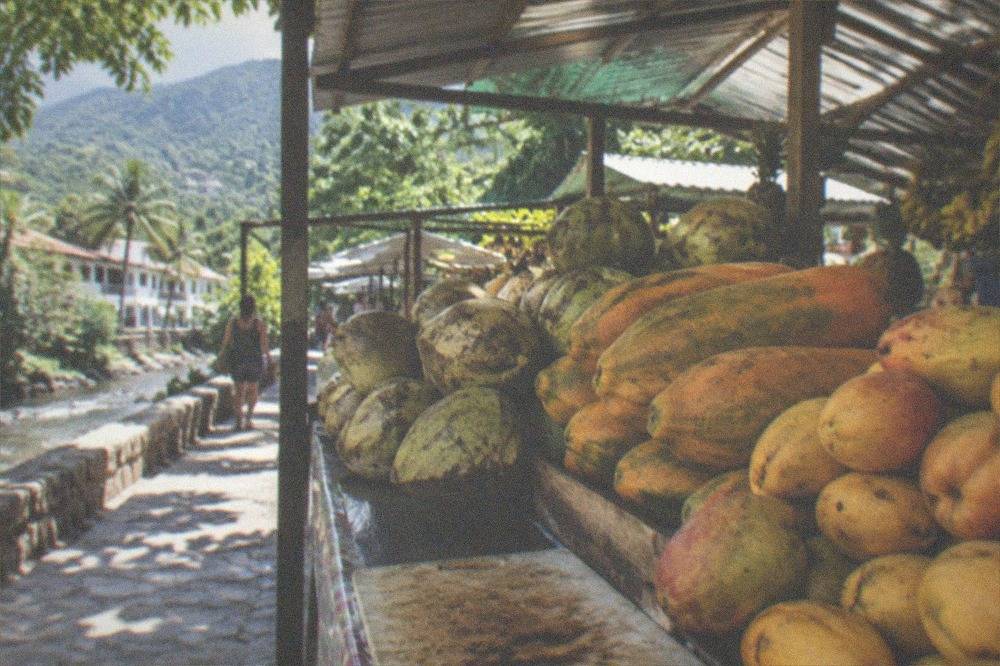
The table is a template, not a contract. The one rule worth keeping is the market rule: hit the Rio Cuale market at lunch, when the upstairs fondas are turning over pozole, tacos, and grilled fish, rather than late afternoon when the stalls are winding down. Hours vary slightly between listings, with the market's own site showing a daily 9 a.m. to 8 p.m. schedule and some directories closing at 6:30 p.m., so treat late morning as the safe window.
For deeper neighborhood-by-neighborhood pacing, our Old Town and Zona Romantica food walk guide breaks the south side into a walkable route, and the broader things to do in Puerto Vallarta roundup covers the non-food anchors if your group is mixed.
One more pacing note for mixed groups: the districts are close enough that a bad plan can be fixed on the fly. The Malecon to Los Muertos is a twenty-five-minute walk plus a river crossing, and the local buses that run the length of the hotel zone cost a few pesos. If someone in your party is tired or the weather turns, you can swap a beach afternoon for a market hour without losing the day, which is exactly the kind of flexibility that makes a five-day trip feel generous rather than scheduled.
What Does a Day in Puerto Vallarta Cost?
Budget roughly $40 to $80 per person per day on the low end and $120 to $200 on the mid-range end, before hotels, with street tacos running 80 to 120 pesos for a full dinner and a mid-range sit-down meal for two costing about 1,050 pesos without drinks. Trip length and daily spend interact: longer stays push you toward the cheap, local end of the food scene, which is also where the food is best.
| Meal or activity | Typical cost | Notes |
|---|---|---|
| Street taco dinner | 80-120 MXN | A full evening of tacos at neighborhood stands |
| Comida corrida lunch set | 100-150 MXN | Fixed menu lunches in Versalles and Centro |
| Inexpensive restaurant meal, one person | Mex$250 (range 150-450) | Numbeo benchmark for the city |
| Mid-range dinner for two, three courses | Mex$1,050 (range 600-2,000) | Without drinks |
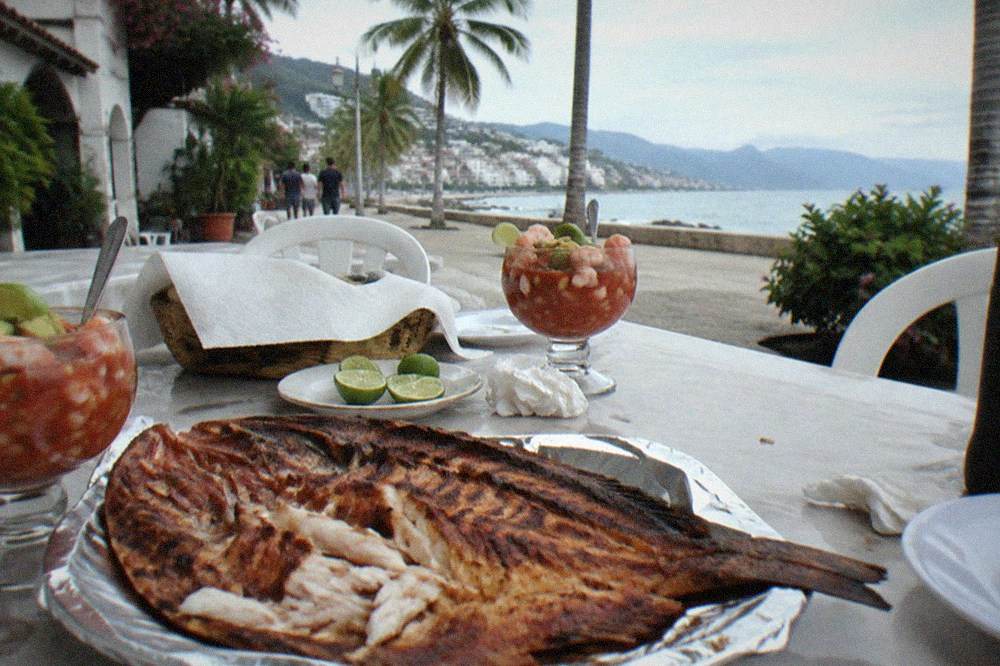
| Pescado zarandeado at a proper restaurant | 280-400 MXN | Whole grilled fish, regional signature |
| Guided food walk | from $49-$59 | Roster range for taco and street-food walks |
Those meal benchmarks come from crowd-sourced cost-of-living data for the city, which tracks Puerto Vallarta prices directly, and they hold up well against the restaurant pricing reported across 2026. The practical takeaway for trip length is that the marginal day in Puerto Vallarta is cheap. Once you have paid for the flight, each additional day of eating like a local costs less than a single dinner back home, which is the real economic argument for the seven-day version of the trip over the four-day one.
Food safety is the one place to spend a little attention regardless of length. The CDC's traveler guidance for Mexico is blunt: drink bottled or purified water, prefer hot fully cooked food, and be cautious with raw produce. A street stand with a queue and a hot grill is generally a safer bet than a buffet, and the busiest stalls turn inventory fast.
What Time of Year Changes the Answer?
The dry season from November through April rewards shorter trips because almost no day gets rained out, while the June-to-October green season argues for a longer, more flexible stay. Hurricane season officially runs May 15 to November 30 with the highest historical risk in September and October, though Banderas Bay's shelter makes direct hits rare, and winter brings humpback whales to the bay.
The seasonal interaction with trip length is straightforward. In February, four days is a safe bet: every day will be dry, and the whale boats run. In August, four days risks two of them being soggy by mid-afternoon, so five to seven days with flexible plans is the smarter structure. The green season pays you back with lower rates, greener hills, and thinner crowds, and the city's own fast-facts pages on climate break the month-by-month weather down if you want the detail.
Two calendar events can anchor a trip regardless of length. Restaurant Week, held in late May and early June in its 2026 edition, is the best-value window for eating at the city's mid and upper-mid restaurants, with fixed menus at three price points. The Festival Gourmet Internacional in mid-November is the opposite play: a ten-day culinary festival with visiting chefs, special dinners, and events spread across the region, worth planning a whole trip around if food is the point of the trip.
Peak season has its own caveat for the short-trip traveler. December through April brings the best weather and the thickest crowds, and hotel rates reflect it. A four-day peak-season trip costs meaningfully more than the same four days in June, and the money saved by shifting dates is often enough to fund two extra nights, which is a roundabout way of saying the season you choose can quietly change the answer to how many days is enough.
Common Questions About Trip Length in Puerto Vallarta
How Many Days in Puerto Vallarta Is Enough?
Three days is the minimum, five to seven is the sweet spot for most travelers, and ten or more only pays off if you want multiple excursions, a beach week, or a slow remote-work base. The city's central districts are comfortably covered in four to five days; everything past that is regional exploration.
Is three days in Puerto Vallarta too short?
It is short but workable. Three days covers the Malecon, Zona Romantica, a beach session, and one serious food evening, with no day trips. You will leave neighborhoods like Pitillal and 5 de Diciembre untouched, so treat it as a sampler and plan to return.
Can you do Puerto Vallarta without a car in a week?
Yes, easily. The central districts are walkable and split by the Cuale River, local buses run the length of the hotel zone and into residential neighborhoods for a few pesos, and the standard excursions all include transport or depart from central meeting points.
Is a week too long in Puerto Vallarta?
No. Seven days fits the central districts, two or three excursions, and genuine beach time without rushing. The point where returns diminish is around day eight or nine if you have no interest in the surrounding region's day trips.
What is the cheapest time to extend a trip?
The green season, June through October, when hotel rates drop and the eating stays cheap year-round anyway. Street taco dinners run 80 to 120 pesos and comida corrida lunches 100 to 150 pesos, so the marginal cost of extra days is small outside of peak winter.
Whether the trip ends up three days or ten, the food is the part that scales best with time, and it is the reason many travelers stretch a short stay by a day or two. The trio below covers the three formats travelers book most for that purpose: a classic taco walk, a cocktails-and-tacos evening, and a market-to-table cooking class that eats half a day.
For planning beyond the plate, Puerto Vallarta Food Tours keeps the rest of the question covered, from the city's month-by-month climate breakdown to neighborhood walking routes and market guides. Pick the length first, then let the days fill themselves.