Where Do Locals Eat in Puerto Vallarta
Where Vallartenses actually eat: the neighborhoods, dishes, prices and late-night stands away from the Malecon, plus the food tours that reach them.
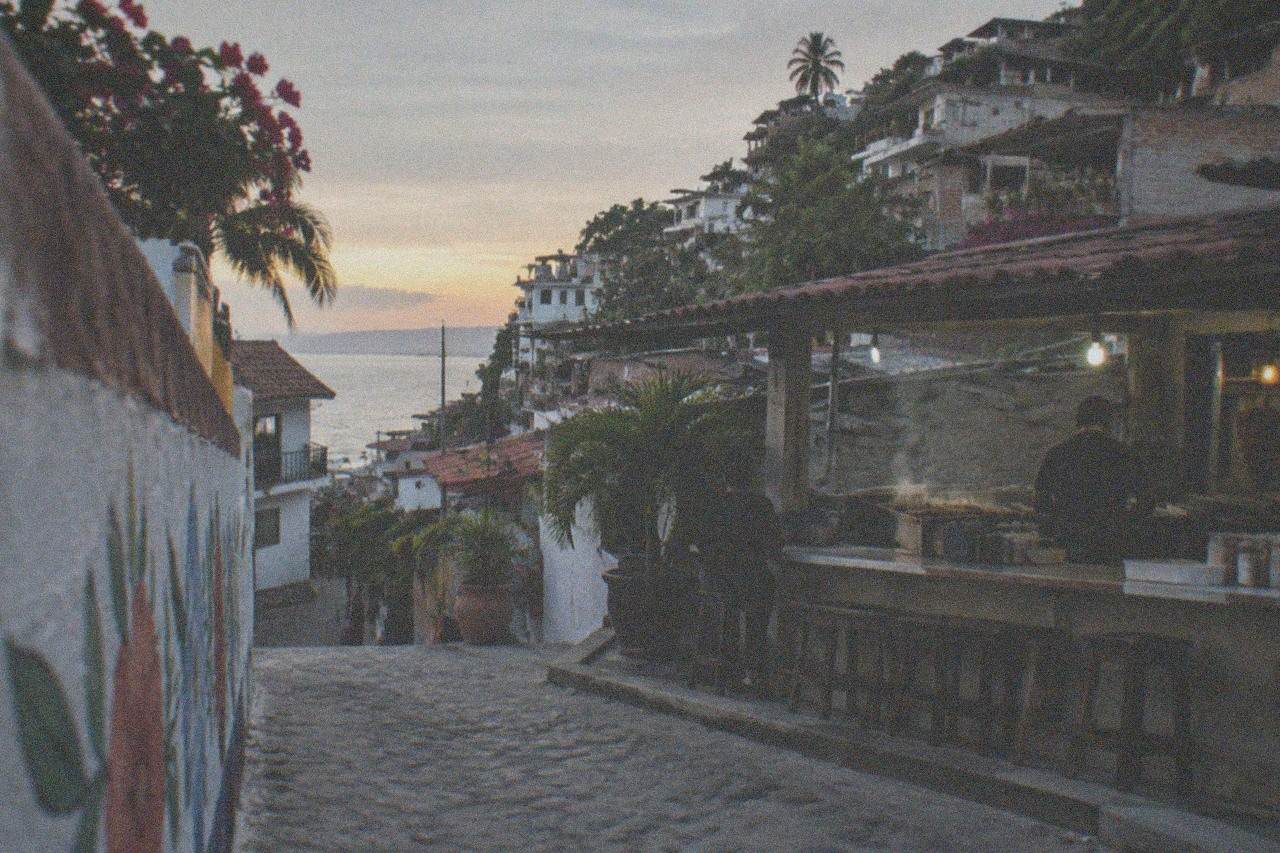
Where Do Locals Eat in Puerto Vallarta?
Locals in Puerto Vallarta eat mostly in the residential neighborhoods north and inland of the tourist strip: Pitillal, 5 de Diciembre and Versalles. That is where the taco stands, birrierias and comida corrida lunch counters cluster, at prices far below the Malecon. Street taco dinners run roughly 80 to 120 pesos, and a full midday comida corrida costs about 100 to 150 pesos in Versalles.
The honest answer starts with geography. The Malecon, the Zona Romantica's Basilio Badillo strip and the hotel zone exist, first and foremost, for visitors. They are good, and some are genuinely excellent, but they are not where a nurse or a fisherman in Puerto Vallarta eats on a Tuesday. Vallartenses eat close to home, in the colonias, and those colonias are walkable if you know which direction to point yourself.
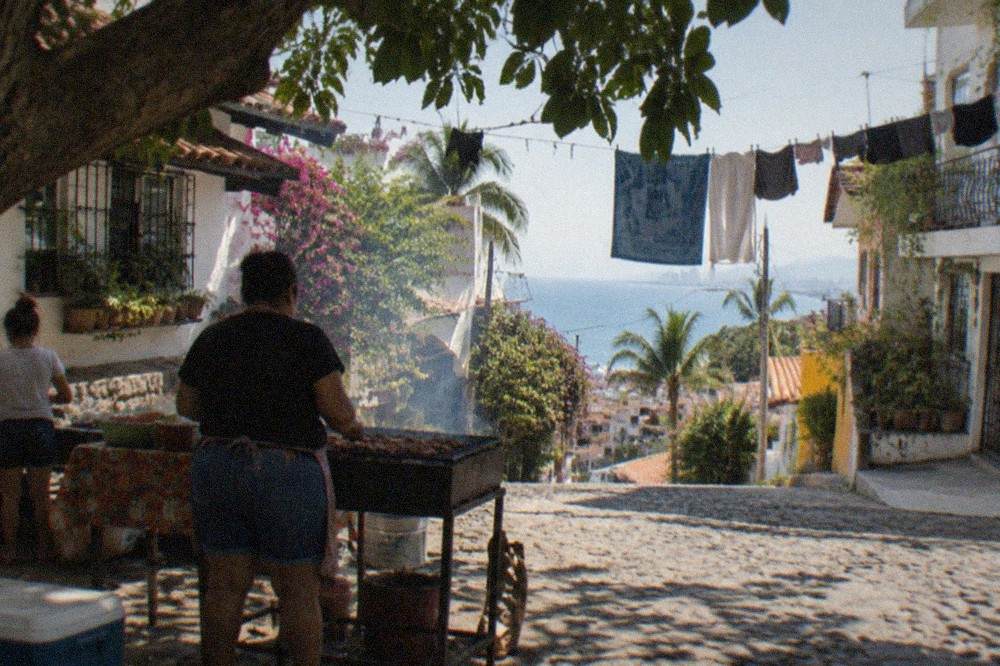
Three neighborhoods matter most. Pitillal, a working town that the city grew around, has its own plaza, its own church and a food scene that barely registers in English-language coverage. The 5 de Diciembre colonia sits between downtown and the hotel zone, close enough to walk to but cheap enough that locals fill its breakfast spots every morning. Versalles, slightly north, is the neighborhood that 2026 food coverage singles out as the best in the city for authentic street food.
There is a pattern worth noticing across all three: none of them is on the water. The tourist economy hugs the bay, from the Malecon south through the Zona Romantica and up the hotel zone, and prices follow the view. Step two or three blocks inland, across the Libramiento or up into the colonias, and the same city reappears at a third of the cost. The food does not get worse. It gets more honest, because the people eating it come back every day and would notice if it slipped.
If your goal on this trip is to taste the city as its residents taste it, these three neighborhoods do most of the work. A guided walk through one of them solves the two real barriers: knowing which corner stand is the good one, and knowing what to order once you are standing at it. The trio below covers the three most local experiences on the roster.
Which Neighborhoods Do Vallartenses Actually Eat In?
Pitillal, 5 de Diciembre and Versalles are the three neighborhoods where locals eat most often. Pitillal is a self-contained town with a plaza and eight-stop-worthy food spots. 5 de Diciembre is the breakfast and brunch colonia closest to downtown. Versalles is the 2026 critics' pick for authentic street food, with birria stands and carnitas corners running late into the night.
Pitillal deserves the first paragraph because it is the most foreign to most visitors, in the literal sense that almost no tourist stumbles into it. It is a residential neighborhood east of the hotel zone, centered on Plaza del Pitillal, and its restaurants serve the people who live around the plaza rather than a passing crowd. The food is unapologetically local: tacos, sopes, grilled meats, aguas frescas, nothing translated. A walking tour with a guide matters here more than anywhere, because the best spots do not have English menus or, in some cases, any signage at all.
The plaza itself tells you how the neighborhood works. On a weekday evening it fills with families, vendors selling elote and nieves, and a church crowd that spills out onto the square after mass. The taquerias around it do not open for tourists; they open when the neighborhood gets hungry, which means late afternoon and straight through the evening. If you arrive at 5 PM you may be the first customer of the night. That is fine, and it is also a sign you are early by local standards.
The 5 de Diciembre colonia works differently. It sits directly north of downtown, so locals who work in el Centro walk up for breakfast and brunch before their shifts. This is the neighborhood for the city's morning foods: tamales, chilaquiles, fresh juices, pan dulce. It is also the shortest food walk on the roster, about 2.5 hours, which makes it the easiest local experience to slot into a morning without giving up your afternoon.
Versalles is the name that keeps appearing in 2026 food writing about the city. Coverage describes it as the best neighborhood for locals seeking authentic street food, pointing to birria stands, carnitas from corner carnicerias and late-night options like Birrieria La Capital, which stays open until 2 or 3 in the morning. It is also the emerging foodie district: Tacos & Camaradas, a family-run taqueria that opened in 2026, serves chicharron and carnitas on handmade nixtamalized corn tortillas there, on Calle Yugoslavia. For orientation on how the tourist zones relate to these neighborhoods, this guide to the Romantic Zone and its boundaries is useful, and our own Old Town Zona Romantica food walk covers the southern end of the map.
What Dishes Do Locals Order?
Locals order birria, carnitas, chicharron, tacos al pastor, pozole, sopes and pescado zarandeado, usually at stands and fondas rather than sit-down restaurants. Birria is the late-night favorite, carnitas is the weekend family meal, and pozole is the Thursday tradition. Pescado zarandeado, coastal grilled fish in red adobo, is the splurge dish, running roughly 280 to 400 pesos at proper restaurants.
The dish list matters less than the format. Locals eat standing up, at counters, out of paper or on plastic plates, and the food is built for that: hand-held, sauced at the table from squeeze bottles, eaten fast while the tortilla is still hot. If a place has a laminated English menu and a hostess on the sidewalk, you have drifted back into the tourist economy. If it has a bucket of aguas frescas and a stack of napkins, you are in the right place.
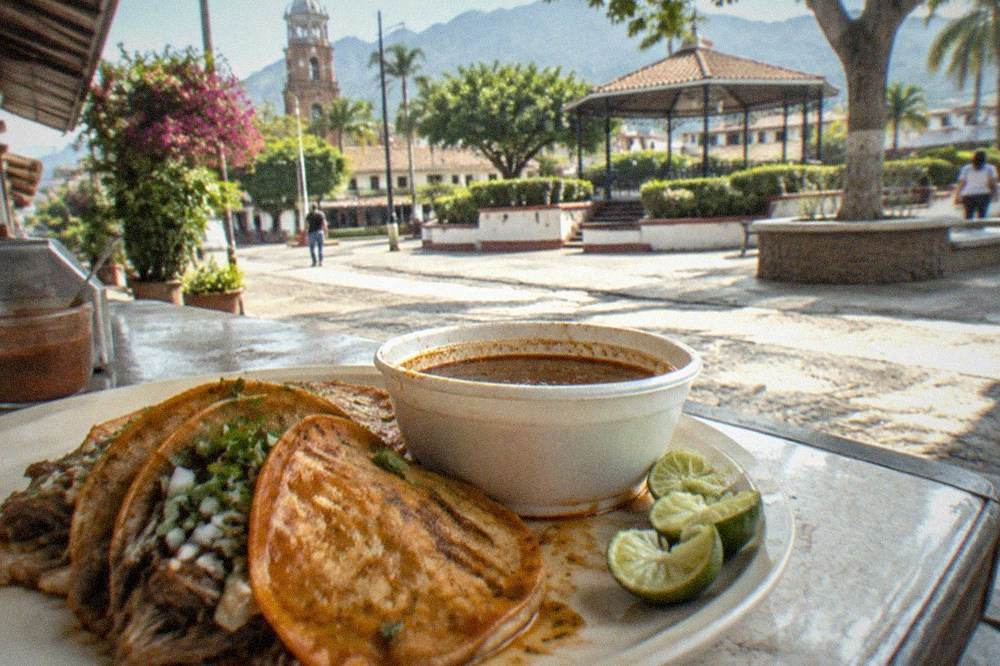
A few dishes deserve a sentence of explanation before the table, because the names alone do not tell you what arrives. Birria is slow-stewed meat, usually goat or beef, served as tacos with a cup of the cooking broth for dipping; it is the city's late-night answer to everything. Carnitas is pork cooked in its own fat in copper pots, sold by weight or by the taco, and it anchors weekend family shopping trips to the carniceria. Pozole is a hominy stew served red or white, and in much of Jalisco it is the fixed Thursday dish, the way some cities have a fish Friday. Sopes are thick small masa discs topped with beans, meat, lettuce and cream, and they are the test of a kitchen's masa, since there is nothing to hide behind.
Pescado zarandeado is the exception on this list, the splurge rather than the daily habit. It is a whole fish, usually snapper, butterflied open, painted with a red adobo of achiote, citrus and chile, and grilled over charcoal in a basket. It comes to the coast from Nayarit, just north of the bay, and it is the dish locals order for a family occasion at a proper seafood spot, at roughly 280 to 400 pesos for the plate.
Here is the local ordering cheat sheet, dish by dish, with where each one shows up on the tours this site covers:
| Dish | What it is | Where locals get it | Featured on |
|---|---|---|---|
| Tacos al pastor | Marinated pork off the vertical spit, with pineapple | Corner spits citywide, Pancho's Takos in Zona Romantica | Downtown Walk, 3.5 Hours |
| Birria | Slow-stewed meat tacos with consomme for dipping | Versalles birrierias, open until 2-3 AM | Evening Taco Walk, 3 Hours |
| Carnitas and chicharron | Fried pork, served by the kilo or by the taco | Versalles carnicerias, Tacos & Camaradas | Pitillal Neighborhood Walk |
| Pozole | Hominy stew, red or white, a Thursday tradition | Mercado Rio Cuale fondas, neighborhood cocinas | 5 De Diciembre Walk, 2.5 Hours |
| Pescado zarandeado | Whole butterflied fish in red adobo, charcoal-grilled | Coastal seafood spots, roughly 280-400 pesos | Seafood Taco Walk, 3 Hours |
| Comida corrida | Multi-course fixed lunch, 100-150 pesos in Versalles | Neighborhood fondas, midday only | Pitillal Neighborhood Walk |
One clarification on the Michelin name above: Pancho's Takos sits in the Zona Romantica, so it is a tourist-zone address, but its inclusion in the 2026 Michelin Guide Mexico selection confirms what locals already knew. The al pastor spit is the same wherever you find it in this city, and the locals' version costs a fraction of the sit-down price.
How Much Does Eating Like a Local Cost?
A street taco dinner in Puerto Vallarta runs about 80 to 120 pesos, a comida corrida lunch costs 100 to 150 pesos in Versalles, and Numbeo's 2026 benchmarks put an inexpensive restaurant meal at roughly 250 pesos per person. A mid-range three-course dinner for two, without drinks, averages about 1,050 pesos. An inexpensive local meal runs Mex$150 to 450, far below tourist-zone dinner tabs.
The arithmetic is the whole argument for crossing the river or walking a few blocks inland. The same city that charges hotel-zone prices for ceviche with a view also sells four tacos, a consomme and an agua fresca for what a resort charges for a bottle of water. The 2026 cost-of-living data for the city, tracked by Numbeo's Puerto Vallarta index, puts the inexpensive meal at 250 pesos with a range of 150 to 450, and the mid-range meal for two at 1,050 pesos with a range of 600 to 2,000.
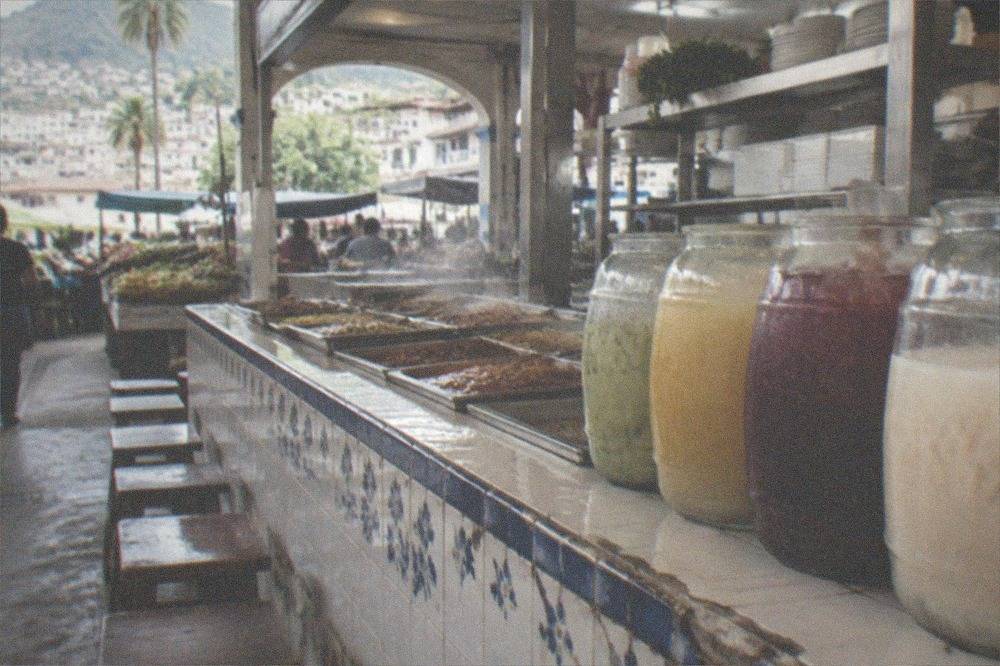
Put those two numbers side by side and the gap is stark. A couple eating mid-range tourist dinners every night of a week spends more on food than many local households spend in a month, and the food is not twice as good. It is often the same recipes, cooked by cooks from the same towns, priced for a different audience. The premium you pay on the water is for the water, not the kitchen. More of these guides are collected on Puerto Vallarta Food Tours.
Budget for the day, eating strictly local, looks something like this:
| Meal | What you get | Typical local price |
|---|---|---|
| Breakfast | Tamales or chilaquiles plus coffee or juice, at a 5 de Diciembre counter | 60-90 pesos |
| Comida corrida | Soup, main, rice, beans, agua fresca, midday | 100-150 pesos |
| Street taco dinner | Four to six tacos with salsas, at a stand | 80-120 pesos |
| Late-night birria | Tacos plus consomme after midnight in Versalles | 80-120 pesos |
| Splurge: pescado zarandeado | Whole grilled fish, shared | 280-400 pesos |
Two habits keep the bill down the way locals keep it down. First, eat the big meal at midday: the comida corrida is the city's best value by a wide margin, and it exists because it feeds the working city at 2 PM. Second, drink agua fresca, which costs a few pesos and comes in flavors you will not find at home, rather than imported sodas or beer by the bottle. For more on the low-cost end of the city's food scene, our Puerto Vallarta street food guide breaks down the stand types and how to read them.
Can a Food Tour Take You Where Locals Eat?
Yes, and it is the fastest route for a first-time visitor. The Pitillal Neighborhood Walk covers a residential area with tastings at 8 local spots for from $59, and the 5 De Diciembre Walk does a breakfast-focused circuit in 2.5 hours for from $55. Both are run by operators who work in those neighborhoods, which solves the language and trust problems at the counter.
The case for a guide in a local neighborhood is not snobbery, it is practicality. In Pitillal, the best stands do not post prices in English, some do not post prices at all, and the person ahead of you in line is ordering by pointing and by habit. A guide who lives in that economy orders for you, tells you which salsa is the hot one, and moves you past the two or three stands that look identical but are not.
There is a second, quieter benefit: pacing. A local food day is spread across many small stops, and a first-time visitor left alone tends to fill up at the first taqueria and quit. A structured walk spaces the stops, mixes formats, tacos then a fonda then something sweet, and gets you through a full cross-section of the neighborhood without the early wall.
The Taste of Pitillal Food Tour is the roster's most local experience. It departs from Plaza del Pitillal and spends about 3 hours walking tastings at 8 locations in a neighborhood that exists for its residents, with a 5.0 rating from 328 reviews and prices from $59 per person.
The 5 de Diciembre option covers the other half of the local day. The 2 Hour and 30 Minutes Walking Tour in 5 De Diciembre is a breakfast and brunch circuit with 4 stops, departing from Bixabeel Kitchen on Calle San Salvador, rated 5.0 from 18 reviews and priced from $55. It is the shortest and second-cheapest tour on the roster, and it fits before a beach afternoon.
A third option, if your local-eating ambitions are mostly nocturnal, is the Evening Taco Adventure Tour. It runs 3 hours with 7 street-style taco tastings plus an agave tasting, departing from Mariscos el Guero in the Emiliano Zapata colonia, rated 5.0 from 124 reviews and priced from $59. The listing notes it is likely to sell out, which reflects how many visitors have figured out that evening is when the city's stands are at their best.
When Do Locals Eat?
Locals eat breakfast between 8 and 10 AM, the main meal at 2 to 3 PM, and tacos late, often after 10 PM and sometimes past midnight. The comida corrida window, roughly 1 to 4 PM, is when fondas serve their full fixed-price lunch. Birrierias in Versalles stay open until 2 or 3 AM for the after-closing crowd.
The schedule explains why visitors so often find the local food scene closed or empty. A traveler who eats lunch at noon and dinner at 6 PM is eating at the two quietest hours of the local day. At noon the fondas are still setting out their steam trays. At 6 PM the taco stands are just lighting their grills, and the real crowd arrives hours later.
Shift your day and the city opens up. Have a light breakfast at a 5 de Diciembre counter, eat the big comida corrida at 2 PM like the rest of the neighborhood, then walk off the afternoon and return to a taco stand at 10 or 11 PM, when the al pastor spit has been turning for hours and the salsa bottles are half empty. That is the local rhythm, and it costs less at every step than the resort version of the same day. If you want the fuller picture of what to order across the whole city, not just the local tables, our what to eat in Puerto Vallarta guide is the companion piece.
One food-safety note, because local stands are where visitors sometimes hesitate: the standard official guidance for Mexico, from the CDC's traveler health page, is to prefer food served hot and fully cooked, fruit you peel yourself, and bottled or purified water. A busy local stand with a high turnover and a hot grill fits that guidance well; the risks worth avoiding are the lukewarm ones. For a deeper look at the city's market culture, which sits between the tourist and local worlds, the Mercado Rio Cuale food market guide covers the fondas upstairs, where locals have eaten pozole and grilled fish for generations, and the market's own site lists its daily hours and stall layout.
The short version of everything above: pick one of the three neighborhoods, go at the local hour, order what the person ahead of you ordered. If you want a guide to handle the ordering the first time, these are the three experiences built for exactly that.
Common Questions About Where Locals Eat in Puerto Vallarta
Where Do Locals Eat in Puerto Vallarta?
Locals eat in the residential neighborhoods off the tourist strip: Pitillal, 5 de Diciembre and Versalles. Expect taco stands, birrierias, carnitas from corner carnicerias and midday comida corrida fondas, at prices far below the Malecon and hotel zone.
What neighborhood has the best street food for locals?
Versalles is the neighborhood most cited in 2026 coverage for authentic local street food, with birria stands, carnitas corners and late-night spots like Birrieria La Capital, open until 2 or 3 AM. The 2026-opened Tacos & Camaradas also sits there.
How much does a local street taco dinner cost?
A street tacos dinner in Puerto Vallarta runs roughly 80 to 120 pesos, and a full comida corrida lunch costs about 100 to 150 pesos in Versalles. Numbeo's 2026 benchmarks put an inexpensive restaurant meal at around 250 pesos per person.
Can tourists eat where locals eat?
Yes. The stands and fondas are public and cash-friendly, and a guided walk such as the Pitillal Neighborhood Walk, from $59 with tastings at 8 local spots, handles the ordering and the language on a first visit.
When do locals eat their main meal?
Midday, typically between 1 and 4 PM, when fondas serve the fixed-price comida corrida. Dinner is lighter and later, with taco stands peaking after 10 PM and birrierias serving past midnight.
Is Pancho's Takos a local spot?
It sits in the tourist-zone Zona Romantica, but it earned a place in the 2026 Michelin Guide Mexico selection for its al pastor and has a long-standing local following. It is cash only and lines are common.