Is Zona Romantica in Puerto Vallarta Safe for Tourists
An honest, evidence-based look at safety in Puerto Vallarta's Zona Romantica: the US State Department advisory, what the tourist zone data actually says, and practical advice for evening walks and food tours.
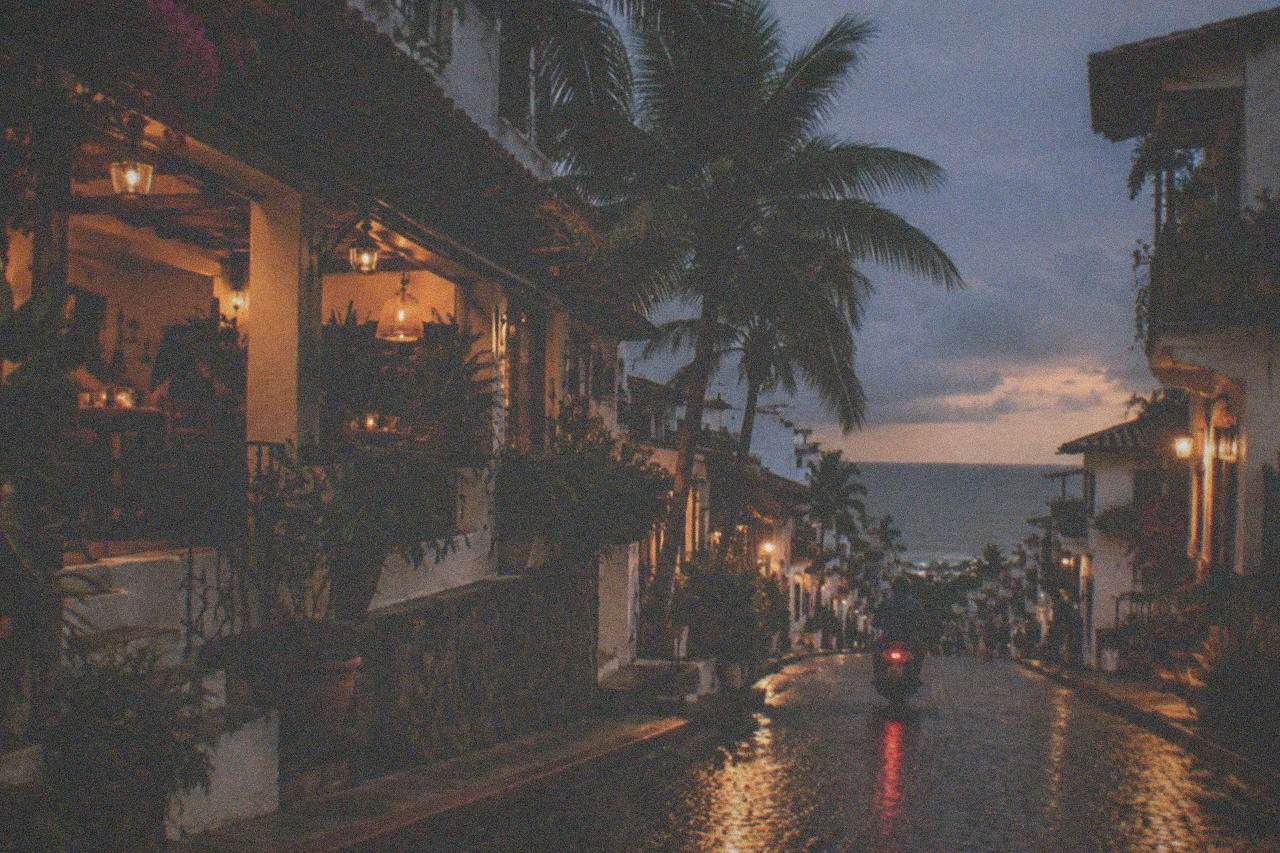
Is Zona Romantica in Puerto Vallarta Safe for Tourists
Yes, in practical terms. The US State Department rates Jalisco state at Level 3, Reconsider Travel, but its advisory explicitly states there are no travel restrictions for Puerto Vallarta itself, including Riviera Nayarit. Zona Romantica sits inside the city's most heavily policed tourist corridor, where 2026 reporting describes high visible police presence and crime against visitors that is overwhelmingly opportunistic, mainly petty theft, rather than violent.
That is the honest, precise answer, and it deserves the nuance behind it. The Level 3 label for Jalisco sounds alarming until you read the actual advisory language, which carves out the destination by name. The state-level rating exists because of cartel activity in parts of the state far from the coast, not because of anything happening on the cobblestones of Olas Altas. The official advisory page is worth reading yourself rather than trusting a headline summary, because the Jalisco entry is long and the Puerto Vallarta exemption is a specific sentence within it.
For a food-focused traveler, the practical question is narrower than "is the state safe": it is whether an evening spent walking between taquerias on Basilio Badillo or Olas Altas carries real risk. Reporting through 2026 consistently describes the tourist zones, Zona Romantica chief among them, as among the safest areas of the city, with the primary risks being the same ones you would manage in any busy tourist district anywhere: pickpocketing, phone snatching, and overcharging, not violent crime. The neighborhood is also economically invested in staying safe. Local reporting drawing on tourism-fideicomiso data credits the district with more than 2 million visitors annually and an estimated 40 percent of the destination's tourism-related GDP, which is a powerful incentive for the businesses and authorities there to keep the streets welcoming.
There is a second, quieter reassurance worth naming: the sheer ordinariness of the district at night. On any given evening the streets between the Los Muertos pier and Restaurant Row are filled with couples on dinner dates, families finishing dessert, and locals walking home from work. A neighborhood that functions as a normal evening environment for its residents is a very different thing from a guarded tourist enclave, and Zona Romantica is firmly the former. If you are still deciding whether the district deserves a place on your itinerary at all, our overview of what Zona Romantica is known for covers its food scene, beaches and character in detail.
If your plan for the evening is a guided taco walk rather than solo wandering, the safety picture improves further. A licensed local guide knows which blocks are lively at which hours, keeps the group on well-trafficked routes, and removes the small anxieties, like which side street feels right at 10 p.m., that independent visitors have to judge for themselves. The tours below all operate in or depart from this neighborhood after dark.
What Does the Level 3 Advisory Actually Say About Puerto Vallarta?
The advisory rates Jalisco as a whole at Level 3, Reconsider Travel, citing crime, terrorism and kidnapping risks at the state level, but it explicitly states that there are no travel restrictions for Puerto Vallarta or neighboring Riviera Nayarit. That exemption is the single most important sentence for anyone planning a trip to Zona Romantica, and it is why major tour operators continue running nightly departures from Lazaro Cardenas Park without interruption.
State-level ratings in Mexico are blunt instruments. Jalisco is a large state that includes Guadalajara's metropolitan area, remote mountain regions and rural highways where the State Department's concerns are concentrated. Puerto Vallarta is a resort city on the coast, several hours from most of that, and the advisory text acknowledges the difference directly. When 2026 analyses of the advisory break down what the Level 3 means in practice for visitors, they consistently describe the tourist zones as operating normally, with high visible police presence and low violent crime targeting visitors.
The distinction matters because headlines flatten it. "Jalisco: Reconsider Travel" travels well as a scare headline; "no restrictions on Puerto Vallarta" does not. A traveler who reads only the first line and cancels a taco tour is reacting to a label that the advisory itself qualifies away for this specific destination. Read the source, not the summary.
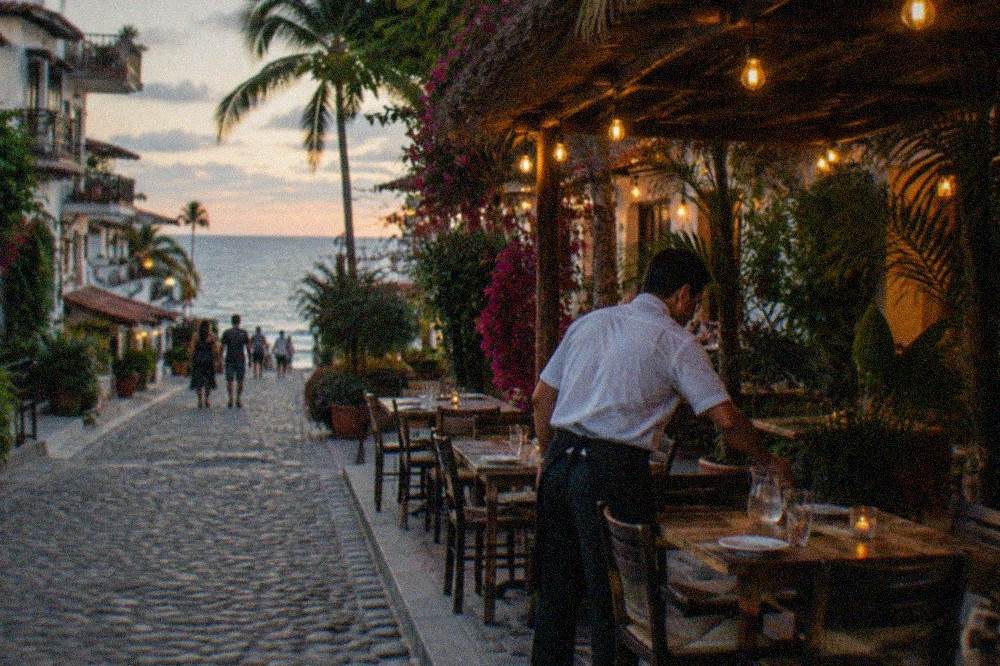
There is also a temporal point worth making plainly. An incident in February 2026 drew attention, and reporting through spring 2026 described tourist areas as normalized and stable afterward. The advisory context has since treated the tourist corridor as business as usual. That is not a guarantee, no destination can offer one, but it is the documented pattern. One thing the exemption does not mean: it is not a claim that nothing ever happens in the city, it is a judgment that the risks to visitors in the tourist zones do not rise to the level of restricting travel there. That is a meaningful, specific finding, and it is the finding that matters for your evening plans.
Is It Safe to Walk Zona Romantica at Night?
Yes, walking Zona Romantica at night is generally safe and is something thousands of visitors do every evening, particularly along the well-lit, busy corridors like Olas Altas, Basilio Badillo and the streets around Lazaro Cardenas Park. The realistic risks are petty: keep your phone out of back pockets, avoid displaying cash, and use the same street sense you would in any lively tourist district at home. Violent crime against tourists in this zone is rare in the 2026 reporting.
The neighborhood's own geography works in your favor. Zona Romantica spans roughly 35 blocks south of the Rio Cuale, packed with more than 170 hotels, restaurants and bars, which means the main streets rarely feel empty. Evening is when the district is at its most alive: dinner service runs late, taquerias stay open past midnight, and the stretch between the Los Muertos pier and Restaurant Row carries foot traffic until the early hours. Busy, well-lit streets with plenty of witnesses are the environment petty thieves avoid, and that describes most of the zone's dining corridors after dark.
The Romantic Zone orientation page gives a useful picture of how compact and walkable the district is: nearly everything a food traveler wants sits within a fifteen minute walk, so you are never forced down a long, quiet stretch to get from one stop to the next. Our own Old Town Zona Romantica food walk guide covers the same ground street by street for readers who want the full route, including which blocks carry the best concentration of stands and sit-down spots.
Practical habits do the rest. Crossbody bags worn to the front, phones used inside establishments rather than waved around at the curb, and a modest amount of cash for taco stands, many of which are cash-only, cover essentially the entire realistic threat model here. If you would walk home from a restaurant district in Chicago or Barcelona at 10 p.m. without a second thought, the calculus in Zona Romantica is comparable.
One more habit worth adopting: save your phone map-checking for inside a restaurant. Standing on a corner staring at a screen is the single most common way visitors make themselves a target in any tourist city, and it is entirely avoidable in a district this compact. Decide your next stop before you leave the current one, and if you need to reorient, step into a shop or a vestibule. Small behaviors, consistently applied, are what "street sense" actually consists of, and they cost nothing.
Is Joining an Evening Food Tour a Safer Way to Explore?
Yes. A guided evening food tour adds a layer of local judgment that an independent visitor simply does not have: the guide chooses the route, knows which blocks stay lively at which hours, and keeps the group on the busiest corridors between stops. Every roster tour that runs in this neighborhood after dark, from the Downtown Walk to the tequila and taco experiences, departs from established, well-trafficked meeting points inside the tourist zone.
The flagship option is the "Downtown Walk, 3.5 Hours," which departs from Lazaro Cardenas Park in the heart of Zona Romantica and covers eight tastings across 3.5 hours, rated 5.0 from 3,950 reviews and priced from $59. It is the site's most-booked tour, with the operator recording more than 20 bookings in a single week, and its route is precisely the kind of busy, guide-led evening walk that minimizes the small residual risks of walking a tourist district at night.
The "Evening Taco Walk, 3 Hours" is a close alternative with a similar profile: seven street-style taco tastings plus an agave tasting, from $59, rated 5.0 from 124 reviews, departing from Mariscos el Guero on Calle Francisco I. Madero in Emiliano Zapata, which is the colonia that contains Zona Romantica. The operator flags it as likely to sell out, which tells you something about how many visitors choose exactly this way to spend an evening here.
For visitors who want drinks with the walk, the "Tequila, Tacos, Agave Cocktails" experience runs four hours from the same Lazaro Cardenas Park departure point, pairing five food tastings with five Mexican cocktails across tequila, mezcal and raicilla, from $98, rated 5.0 from 1,944 reviews. A group format with a guide is also a sensible structure for anyone who plans to drink through the evening rather than stay fully alert. Readers weighing the full range of options can compare formats in our Puerto Vallarta taco tour guide, which breaks down walking tours by neighborhood, duration and price.
What Are the Real Risks to Manage in Zona Romantica?
The realistic risk list is short and unglamorous: opportunistic petty theft, mostly phone and bag snatching in crowded areas; leaving drinks unattended in bars; and ordinary hazards like uneven cobblestones and dark side streets away from the main corridors. None of these are unique to Puerto Vallarta, and all are managed with the same habits you use in any tourist city. The 2026 reporting finds no pattern of violent crime specifically targeting visitors in this district.
A quick planning table for the practical items:
| Risk | Realistic level in Zona Romantica | How to manage it |
|---|---|---|
| Pickpocketing / phone snatching | The main documented risk in tourist zones | Crossbody bag to the front, phone inside establishments, no cash displays |
| Drink spiking | Low, but a universal bar-district caution | Keep drinks with you, watch them poured |
| Violent crime against visitors | Rare in 2026 tourist-zone reporting | Stay on busy corridors after dark |
| Cobblestones and curbs | Genuine trip hazard, especially at night | Sensible shoes, a phone flashlight for dark stretches |
| Unlicensed vendors / timeshare pitches | Annoyance, not danger | A polite "no, gracias" ends nearly every encounter |
Two of these deserve a sentence more. The cobblestone hazard is real and underrated: Zona Romantica's streets are genuinely old and uneven, and a twisted ankle on a dark stretch of Basilio Badillo is statistically more likely than a theft. And the vendor-pitch category, timeshare promoters and beach vendors, is the most common negative interaction visitors actually report, and it is an annoyance economy, not a safety threat.
Health safety is the other quiet question worth answering honestly, because "is it safe" for many travelers includes "can I eat the street food." The official CDC guidance for Mexico recommends bottled or purified water, hot fully-cooked food, and peeled fruit, which describes essentially every reputable taco stand and every tour stop in this neighborhood. High-turnover stands cooking in front of you are, if anything, a better bet than food that has sat around. Our Puerto Vallarta street food guide covers the practical rules of thumb in more detail, from how to read a busy stand to which salsas to approach with respect.
Which Parts of the Neighborhood Should Visitors Be Careful In?
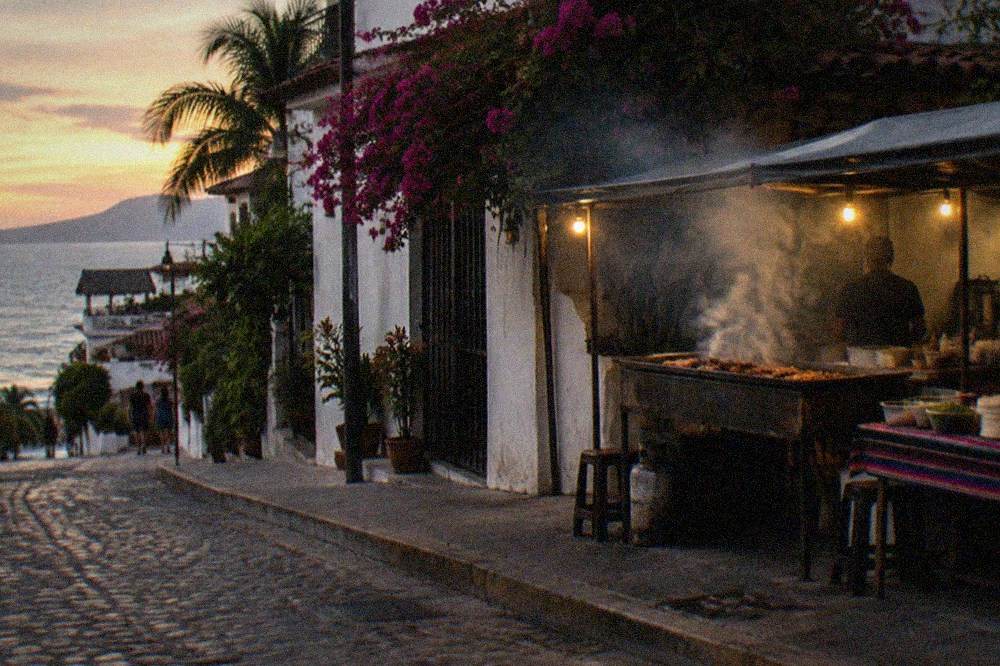
The honest answer is that the differences within Zona Romantica are small: the busy dining corridors, Olas Altas, Basilio Badillo, Lázaro Cárdenas and the Los Muertos area, are the safest and liveliest after dark, while the residential blocks a few streets inland are quieter and best walked with normal street sense rather than avoided. The beach itself at night is the one spot where the standard advice is simply to stay where it is lit and populated.
Zona Romantica is not a large district, roughly 35 blocks, but it does have texture. The commercial spine running from the Los Muertos pier north and east through Restaurant Row is the busiest, best-lit and most policed part, and it is where nearly all the food action concentrates anyway. A visitor following a taco route here is effectively always on the safe corridor without trying. The blocks toward the Rio Cuale and the residential grid south and east are perfectly normal streets, just quieter after 10 p.m., and the standard adjustment is to prefer the parallel street with foot traffic over the empty shortcut.
The beach deserves its own note. Los Muertos beach by day is a family-and-vendor scene with constant activity; after dark, the lit area near the pier remains busy, but the long dark stretches north and south do not, and no local advice recommends a solo midnight beach walk anywhere. That is not a Zona Romantica problem, it is a beach problem, and it applies to every coastal tourist town.
One genuinely local perspective: the neighborhood's own residents and long-term visitors, the people who eat in these restaurants every week, treat the district as their ordinary evening environment. Our piece on where locals eat in Puerto Vallarta maps the same streets from the resident side, and the picture it draws is of a normal, lived-in neighborhood rather than a guarded enclave. That perspective is worth internalizing before your first evening: the people around you at the taco stand are mostly not tourists, they are neighbors, and a district full of neighbors out at night is a district that works.
How Does Zona Romantica Compare With Other Parts of Puerto Vallarta?
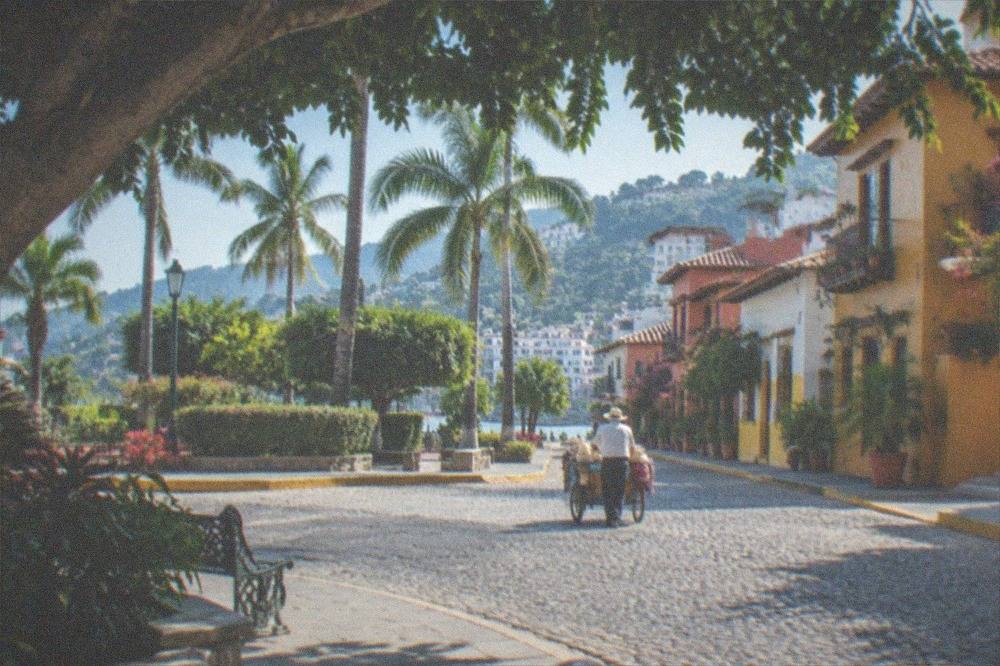
Zona Romantica, the adjacent Centro stretch along the Malecon, and the Marina corridor are all part of the same heavily policed tourist zone that the State Department advisory exempts from restrictions, and 2026 reporting treats them similarly on safety. The differences that matter to a visitor are practical rather than security-related: Zona Romantica is the densest and most walkable of the three, which is precisely why most food tours base themselves there.
The Malecon, the 760-meter oceanfront boardwalk running from near Hotel Rosita to the Los Arcos amphitheater, is the other main tourist spine, and it connects directly to Zona Romantica across the Rio Cuale, so an evening can cover both without ever leaving populated, lit ground. Our Malecon walking guide lays out that route and its landmarks, including the free sculptures that line the boardwalk, for readers planning to combine the two. Walking the two districts as one continuous evening, Malecon at sunset, Zona Romantica for tacos afterward, is both the most enjoyable and the most low-risk structure a first evening in the city can take.
Away from the tourist corridors, Puerto Vallarta becomes a normal working Mexican city, and the advice shifts accordingly: neighborhoods like Pitillal, 5 de Diciembre and Versalles are safe, ordinary residential districts where locals eat, and they reward daytime and early-evening visits, ideally with a guide on a first visit, exactly the structure of the neighborhood food walks on this site. The distinction between "tourist zone" and "everywhere else" is not a safety wall; it is a difference in how much the environment is arranged around visitors, and how much Spanish and street sense you bring yourself.
Common Questions About Zona Romantica Safety
Is Zona Romantica in Puerto Vallarta Safe for Tourists?
Yes, in practical terms. The US State Department rates Jalisco at Level 3 but explicitly exempts Puerto Vallarta from its travel restrictions, and 2026 reporting describes the tourist zones, Zona Romantica included, as among the safest parts of the city, with high visible police presence and crime against visitors that is overwhelmingly opportunistic petty theft.
Is it safe to walk around Puerto Vallarta at night?
Yes, in the tourist corridors. Zona Romantica's dining streets, the Malecon and the Marina area stay busy and lit late into the evening, and those are the areas where a night walk is routine. The standard advice is to stay on populated, well-lit streets and avoid dark beach stretches after dark, the same habits you would apply in any tourist city.
Is Puerto Vallarta safe right now?
The advisory currently in force rates Jalisco Level 3 but places no restrictions on Puerto Vallarta itself. Tour operations, including nightly food walks departing from Lazaro Cardenas Park, continue running without interruption, and 2026 reporting describes the tourist zone as stable. Check the official advisory page before travel, as ratings are updated periodically.
What should I avoid in Zona Romantica?
Very little, honestly. The practical avoidances are dark, empty beach stretches late at night, flashing valuables on the street, and leaving drinks unattended in bars. The cobblestones are a more realistic hazard than crime, so bring sensible shoes for evening walks.
Is Zona Romantica safe for solo travelers?
Yes, and it is one of the more comfortable districts in Mexico for solo visitors, with a dense, social restaurant and bar scene and a strong LGBTQ+ community presence that makes solo dining feel ordinary. A guided evening food tour is also a good first-night option for solo travelers who want to learn the layout with a local guide before exploring alone.
The bottom line is that Puerto Vallarta Food Tours exists as a business because thousands of visitors walk these streets every week, many of them on evening tours, and the documented record supports that confidence. Zona Romantica is a dense, lively, invested neighborhood where the realistic risks are petty and manageable, and where the most likely bad outcome of an evening taco walk is ordering one taco fewer than you should have.