What Tacos Do Locals Recommend in Puerto Vallarta
The tacos Puerto Vallarta locals actually order: al pastor from a Michelin-selected taqueria, Versalles birria, Pitillal carnitas, and how to find them without guesswork.
What Tacos Do Locals Recommend in Puerto Vallarta?
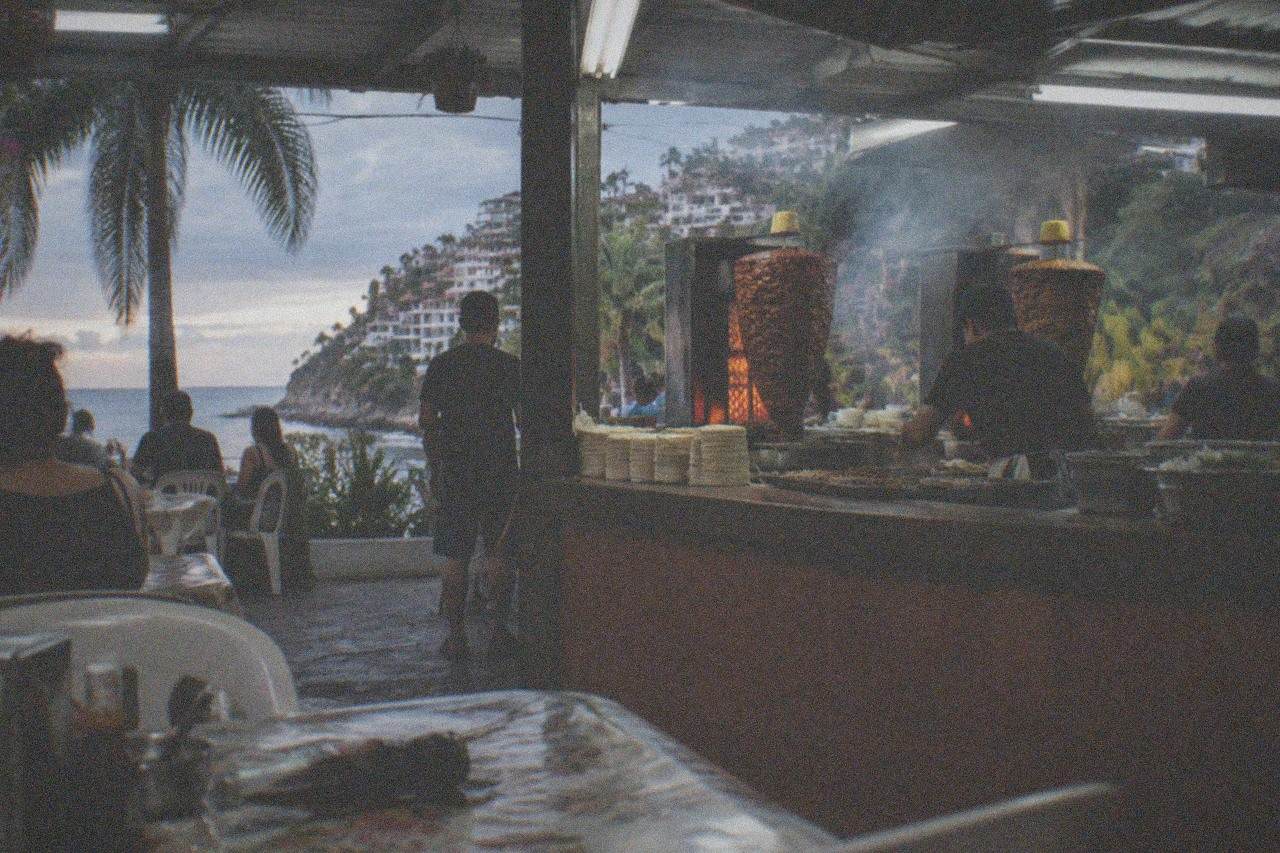
Locals in Puerto Vallarta consistently point to al pastor from the spinning trompo, slow-cooked birria, carnitas and chicharrón from neighborhood carnicerias, and charcoal-grilled fish tacos from coastal-style stands. The specific picks cluster in three areas: Zona Romantica for al pastor, the Versalles neighborhood for birria and late-night stands, and Pitillal for everyday carnitas. A budget street taco dinner runs roughly 80-120 MXN, and the stands locals love are rarely on the waterfront.
That last sentence is the whole story of eating tacos in this city. The Malecon is for sunsets and sculptures; the tacos that locals argue about are a ten or fifteen minute walk inland, on residential streets where the line outside a taqueria is the only review that matters. The answer to the question is never a single restaurant. It is a neighborhood plus a style plus an hour, and locals give you all three whether you asked for them or not.
The local canon got an unexpected endorsement in 2026. Pancho's Takos, a cash-only al pastor institution on Basilio Badillo in Zona Romantica, was included in the 2026 Michelin Guide Mexico selection in the Michelin Selected category, one of the first two Puerto Vallarta restaurants ever recognized by the guide. The Michelin inspectors, in other words, walked past the beachfront dining corridors and picked a taqueria where locals have queued for years. You can read the full report on the 2026 selection from local coverage.
A guided taco walk is the shortcut to exactly this kind of list. Instead of guessing which stand on a busy street has the good trompo, you follow someone who has already done the sorting. The three options above cover the main approaches: an evening street-style walk in Zona Romantica, a cheaper five-taco route through Old Town, and a residential-neighborhood walk through Pitillal that most visitors never see on their own.
That gap between the local's list and the visitor's guesswork is the reason Puerto Vallarta Food Tours exists at all. The rest of this article closes it the manual way: by taco style, by neighborhood, and by the ordering habits that mark you as someone who has done this before.
Where Do Locals Actually Go for Tacos?
Locals eat tacos in the neighborhoods, not the tourist strip. The three areas that dominate local recommendations are Zona Romantica along and around Basilio Badillo, the Versalles district inland of the hotel zone, and Pitillal, a working residential neighborhood a short drive north of the Centro. Each has its own specialty, and each rewards arriving at the hour locals do, which is late.
Zona Romantica first, because it is where most visitors are staying anyway. The neighborhood sits south of the Rio Cuale, the colonia the city also calls Emiliano Zapata, a grid of cobblestone streets running down to Los Muertos beach. Basilio Badillo, the street locals know as Restaurant Row, holds the densest concentration of dining in the city, and the taco counters tucked between the sit-down rooms are where the Michelin pick lives. The atmosphere is mixed local and visitor, which has a practical benefit: the stands here are used to explaining themselves.
Versalles deserves the next mention because it is the neighborhood that locals most often name when asked where to find authentic street food. Coverage of the local food scene highlights Versalles for neighborhood birria stands, carnitas tacos from corner butcher shops, and genuinely late options like Birrieria La Capital, which keeps serving until 2 or 3 in the morning. This is not a district built around visitors. It is a district of corner taquerias, comida corrida counters, and stands that sell out by mid-afternoon.
The neighborhood also gained a notable new entry in 2026. Tacos & Camaradas, a family-run taqueria on Yugoslavia 292-B in Versalles, opened to local buzz with a butcher named Jose in the kitchen, his wife Adriana hosting, and their son Abner running the front of house. The specialty is chicharron and carnitas served on handmade, freshly prepared nixtamalized corn tortillas, with signature items like the Taco Regio and a black al pastor taco. A family butcher shop turning into a taqueria is precisely the local pattern: the meat is the point, and the tortillas are made in house because that is how it is done. The official destination blog's 2026 round-up profiles the taqueria among the city's new openings.
Pitillal is the third answer, and the one furthest from most visitors' itineraries. Around its central plaza, the taco stands serve the people who live there, which means earlier hours, plainer settings, and prices that assume you live there too. A guided option exists for exactly this: the Pitillal Neighborhood Walk, a three-hour walking tour from $59 with tastings at eight locations, rated 5.0 from 328 reviews. You can read more about the area in our street food guide to Puerto Vallarta.
Between Centro and Zona Romantica there is also a market answer. On the north bank of the Isla del Rio Cuale, the Mercado Rio Cuale runs two floors: crafts, silver and leather below, and a row of food stalls above, serving pozole, tacos, sopes, grilled fish and aguas frescas to the downtown workers who lunch there. The market keeps daytime hours, open daily from around mid-morning into the early evening, so it fills the gap before the evening stands fire up.
Which Taco Styles Should You Try First?
Start with al pastor, the marinated pork shaved from the vertical trompo spit, because it is the city's defining taco. Then birria, a slow braised meat taco served with consomme for dipping, and carnitas, confit pork with crispy edges. In coastal style, add pescado zarandeado, a whole butterflied fish grilled over charcoal, and the ceviche-style seafood tacos of the bay. Corn tortillas, not flour, are the local default.
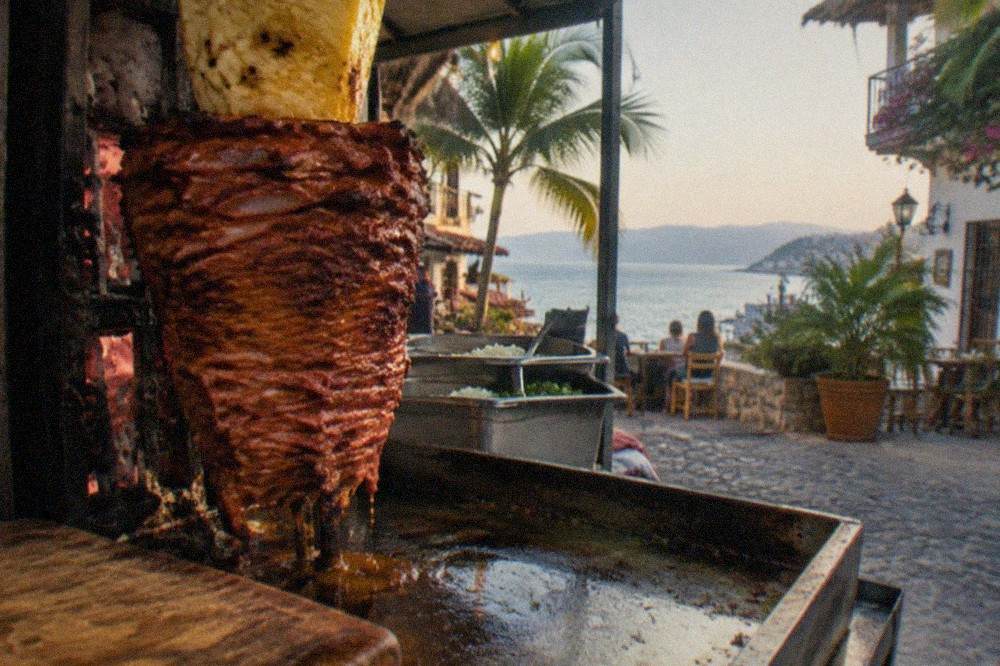
Al pastor is the one to learn first because it is the taco you will judge every other taqueria against. The pork is marinated in dried chiles and spices, stacked on the vertical spit with a pineapple crown, and shaved to order. Pancho's Takos, the Michelin Selected spot, is the famous example, and the practical advice from every piece of local coverage is the same: bring cash and expect a line.
Birria is the taco that locals order differently depending on the hour. Slow-cooked until the meat falls apart, it is served with a small cup of the cooking broth for dipping, and in Versalles it is both a weekend daytime meal and a 2 a.m. recovery food. The stands are simple, the queues are local, and the price is the neighborhood price.
Carnitas and chicharron are butcher-shop tacos, and this is where Versalles and Pitillal shine. The meat is cooked in its own fat until the edges crisp, then chopped to order and finished on a griddle with a splash of the cooking fat. Tacos & Camaradas puts both on those handmade nixtamal tortillas, which is a detail worth seeking out: fresh nixtamalized corn masa has a flavor and texture that machine tortillas do not, and it is becoming a calling card of the city's newer taquerias.
Seafood tacos are the coastal branch of the list. Pescado zarandeado is the grand version: a whole fish, usually snapper, butterflied open like wings, marinated in a red adobo of achiote, citrus, garlic and guajillo chile, then grilled over charcoal in the traditional zaranda basket. The dish traces to the coast of Nayarit, with prehispanic roots around Mexcaltitan, and it has become a signature of the whole Banderas Bay region. At proper restaurants it typically runs 280-400 MXN, and the upstairs fondas of Mercado Rio Cuale serve a humbler version. Ceviche, aguachile, and grilled or fried fish tacos round out the seafood side, seven tastings of which anchor the Seafood Taco Walk, 3 Hours, from $59.
| Taco style | What it is | Where locals get it | Featured on |
|---|---|---|---|
| Al pastor | Marinated pork shaved from a vertical trompo, often with pineapple | Pancho's Takos, Basilio Badillo, Zona Romantica | Downtown Walk, 3.5 Hours; Evening Taco Walk, 3 Hours |
| Birria | Slow-braised meat taco with consomme for dipping | Versalles birria stands; Birrieria La Capital late night | Pitillal Neighborhood Walk |
| Carnitas and chicharron | Confit pork and crispy pork skin, chopped to order | Versalles carnicerias; Tacos & Camaradas; Pitillal stands | Pitillal Neighborhood Walk |
| Pescado zarandeado | Whole butterflied fish in red adobo, charcoal-grilled | Mercado Rio Cuale food stalls; coastal restaurants | Seafood Taco Walk, 3 Hours |
| Agua fresca pairing | Fresh fruit waters that locals drink with tacos | Stands across all three neighborhoods | Old Town, Five Tacos |
How Do You Order at a Taco Stand Like a Local?
Order by the piece, not by the plate: two tacos at a time is the local rhythm, and "dos de pastor" gets you two al pastor. Ask for them "con todo" and they arrive with chopped cilantro and onion. Salsas sit in their own row of containers, the red is usually the fierce one, and you dress the taco yourself. Pay in cash, eat where you stand, and simply order again if you are still hungry.
The counter works faster than a restaurant kitchen because nothing is pre-built. The taquero carves from the trompo or lifts meat from the cauldron only when you order, so a small order means a fresh one every time. That is why locals keep it to two or three tacos per round: the next round is thirty seconds away, hot off the griddle, and you can change styles between rounds instead of committing to a plate of six of the same thing.
The salsa row is where visitors hesitate and locals do not. A traditional stand sets out at least two, a salsa roja and a salsa verde, plus cut limes and often pickled onions or a crema. Nobody seasons the taco for you. The local method is to test a drop on the edge of the tortilla before committing the whole thing, because heat varies from stand to stand and the roja is the one that surprises people.
Drinks are part of the order, not an afterthought. Agua fresca, the fresh fruit water in the big glass jars, comes in flavors like horchata and jamaica, and it is what locals drink alongside tacos. The shaved-ice raspado is the traditional finish on a hot evening; the Old Town, Five Tacos tour includes one, which tells you how rooted it is. Cash, as at the Michelin-selected counter on Basilio Badillo, remains the safe assumption at traditional stands.
| Phrase | What it means | When to use it |
|---|---|---|
| Dos de pastor | Two al pastor tacos | Your basic order at any trompo stand |
| Con todo | With cilantro and chopped onion | Unless you want the taco plain |
| Sin cebolla | Without onion | If raw onion is not for you |
| Una agua de jamaica | A hibiscus agua fresca | Ordering the drink alongside your round |
| La proxima ronda | The next round | Ordering again without giving up your spot |
What Does a Taco Dinner Cost at Local Prices?
A street taco dinner in Puerto Vallarta runs roughly 80-120 MXN per person at local stands, according to 2026 budget reporting on the city's food scene. A full comida corrida, the fixed midday meal, runs about 100-150 MXN in Versalles. Guided taco tours cost more, from $49 to $59, but they buy seven or eight tastings plus the sorting work of a local guide.
The gap between those two numbers is the honest trade-off. Eating at the stands yourself is genuinely cheap, and the quality is often better than anything at triple the price on the waterfront. What you give up is certainty: you will walk past ten stands to find the two good ones, you will order by pointing, and you will not know which salsa is the fierce one until you have tried it.
A guided walk compresses that learning curve into a single evening. The Old Town, Five Tacos tour, from $49 and rated 5.0 from 38 reviews, is the cheapest tour on our roster and includes five tacos, an agua fresca, and a raspado, the shaved-ice dessert locals finish with. It departs from Taqueria el Cunado in Old Town, which means the first taco is at a taqueria, not a meeting point. For a side-by-side look at every option, our Puerto Vallarta taco tour guide lays out all four taco walks with prices and departure points.
The Pitillal Neighborhood Walk, from $59 and rated 5.0 from 328 reviews, is the deeper local dive: eight tasting locations in a residential neighborhood where almost nothing is priced for visitors, led by a guide who can explain what each stand does and why it survives there.
Put plainly, the tour price buys roughly the same food you would buy anyway, plus the sorting, the context and the evening's route planned for you. For one night of a short trip, many travelers consider that the best value on the menu. For a longer stay, one guided evening plus the stand names in this article is enough to eat like a local for the rest of the week.
Can a Guided Tour Get You the Local Picks?
Yes, and that is precisely what a good taco tour sells: a local's short list instead of guesswork. The Evening Taco Walk, 3 Hours covers seven street-style taco tastings plus an agave tasting with drinks included, from $59, rated 5.0 from 124 reviews. It departs from Mariscos el Guero on Calle Francisco I. Madero in Zona Romantica and runs three hours, and the operator flags it as likely to sell out.
The distinction matters because taco knowledge in Puerto Vallarta is genuinely local knowledge. The stand with the best birria in Versalles does not advertise. The hour the trompo starts carving matters more than the address. The salsa roja at one taqueria is a condiment; at the next one it is a dare. A guide who lives here carries all of that, and a three-hour walk transfers enough of it that you can spend the rest of your trip eating well on your own.
There is a regulatory layer worth knowing about too. Mexican federal rules require tourist guides to hold a SECTUR credential under NOM-008-TUR-2022, which involves training, exams and first-aid certification before registration in the national tourism registry. A booked tour is not just a person with opinions; on a legitimate operation it is a credentialed professional walking you through their own neighborhood.
The agave tasting on the evening walk is not a bolt-on. Tequila, mezcal, and raicilla, the Jalisco coastal agave spirit, are what locals drink alongside tacos, and raicilla in particular is a Puerto Vallarta story: it has been protected by a Denomination of Origin since 2019, covering 16 municipalities in western Jalisco including Puerto Vallarta itself. If the drinks side of the evening interests you as much as the tacos, our tequila and mezcal tasting guide covers the dedicated tasting tours.
You can also browse the Evening Taco Adventure tour page or Check availability on the operator's live listing. Because the operator flags it as likely to sell out, booking ahead is the practical move for a weekend evening.
When Should You Eat Tacos in Puerto Vallarta?
Locals eat tacos late, from early evening well past midnight, and the best stands open on their own schedules. Birria is a daytime and late-night food in Versalles, al pastor trompos hit their stride after dark, and Birrieria La Capital serves until 2 or 3 a.m. Midday is for comida corrida, the fixed-price lunch that many taquerias and home-style kitchens serve from around 1 to 4 p.m.
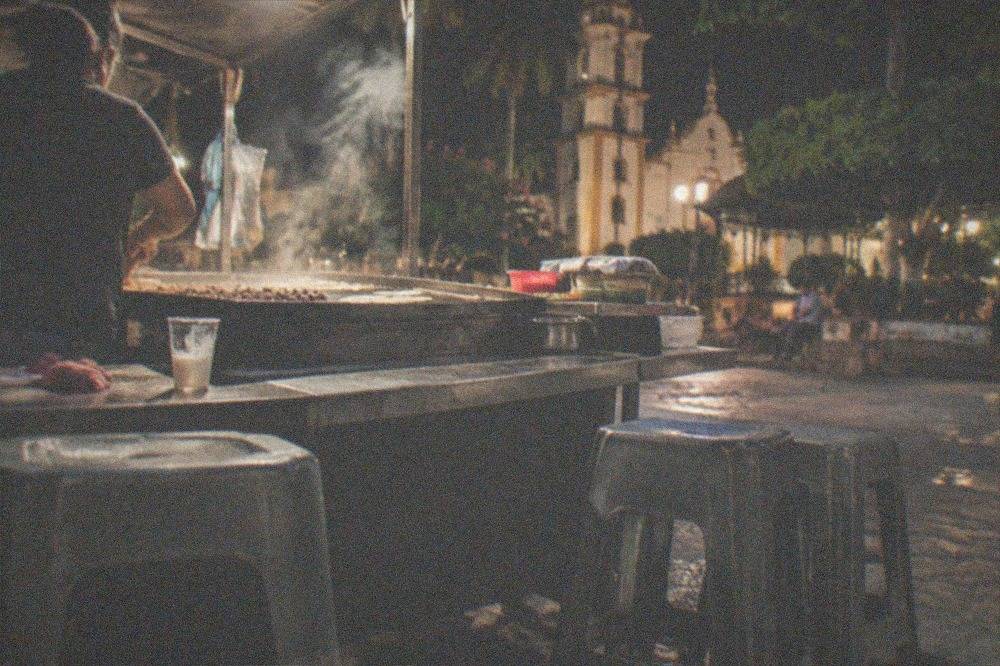
Timing is the part visitors most often get wrong. Arriving at 6 p.m. sharp means finding stands still setting up, trompos still warming, and the good salsas not yet on the table. Locals drift in between 8 and 10 p.m., and the late-night stands in Versalles do their best business after the bars close. If you want the full local arc, eat lightly at midday, walk in the evening, and finish at a stand after dark.
The season matters less than you might think, but it still matters a little. The dry months from November through May are the comfortable window for a long evening walk between stands; in the rainy season, June through October, the heaviest rain tends to arrive in the late afternoon and evening, so a covered taqueria or an earlier start serves you better. The destination's climate reference breaks the months down in detail.
One practical note on eating safely at street stands: follow the local cues. Busy stands with high turnover, meat cooked to order in front of you, and salsas in covered containers are the pattern to look for. Official health guidance for travelers in Mexico, including food and water precautions, is available from the CDC's Mexico travel health page.
Building Your Own Local Taco Route
A realistic self-guided route covers three stops in one evening: one al pastor taqueria in Zona Romantica, one birria or carnitas stand in Versalles, and one late-night stop if you have the stamina. Order two tacos per stand, drink the agua fresca, and let the first stand calibrate your salsa tolerance before you push further. The walk between Zona Romantica and Versalles is a straightforward one, or a short taxi ride if you would rather save your legs.
The order matters less than the pacing. Start in Zona Romantica while the trompos are carving at full speed, then move inland to Versalles as the evening deepens, finishing wherever the crowd looks local. Two tacos per stand is the local rhythm; ordering a plate of six at the first stop is how you end the night early. Cash is still king at the traditional stands, especially the Michelin-selected one.
Build in one wildcard. The mercado fondas by the Rio Cuale close in the early evening, so they belong to a lunch day rather than the taco night; slot them in when the afternoon heat pushes you indoors anyway. And if one stand on your list is closed, that is not a failure, it is the city telling you where the locals are not tonight. The queue two doors down is usually the correction.
If you would rather compress all of this into a single guided evening, the walks below are the three that map most closely onto the local picks in this article: the Zona Romantica evening walk, the Old Town five-taco route, and the Pitillal neighborhood dive.
Common Questions About Tacos in Puerto Vallarta
What Tacos Do Locals Recommend in Puerto Vallarta?
Al pastor from the trompo is the defining local taco, with Pancho's Takos in Zona Romantica the most famous example after its 2026 Michelin Guide selection. Locals also point to birria and late-night stands in the Versalles neighborhood, carnitas and chicharron from butcher-shop taquerias, and coastal-style fish tacos including pescado zarandeado.
Where is the best neighborhood for street tacos?
Versalles is the neighborhood locals name most for authentic street food, with birria stands, carnitas from corner carnicerias, and late-night spots like Birrieria La Capital serving until 2 or 3 a.m. Pitillal is the other strong answer, a residential neighborhood with stands priced for the people who live there.
How much do street tacos cost in Puerto Vallarta?
A street taco dinner runs roughly 80-120 MXN per person at local stands, and a comida corrida lunch in Versalles runs about 100-150 MXN. Guided taco tours cost more, from $49 to $59, but include five to eight tastings plus a guide's local knowledge.
Is a guided taco tour worth it if I want local picks?
It is the fastest route to them. The Evening Taco Walk, 3 Hours covers seven street-style taco tastings plus an agave tasting from $59, rated 5.0 from 124 reviews, and the Pitillal Neighborhood Walk covers eight locations in a residential neighborhood from $59, rated 5.0 from 328 reviews. Both transfer the kind of stand-by-stand knowledge that takes solo visitors days to build.
What time do locals eat tacos?
Mostly late. Al pastor trompos hit their stride after dark, locals drift in between 8 and 10 p.m., and the Versalles late-night stands do their best business after midnight. Midday is for comida corrida, the fixed-price lunch served from roughly 1 to 4 p.m.
Do locals eat tacos with corn or flour tortillas?
Corn, without exception. The newer taquerias, including Tacos & Camaradas in Versalles, make their nixtamalized corn tortillas fresh in house, and fresh masa tortillas are increasingly a mark of a serious local stand. Flour tortillas belong to the northern Mexican tradition and are rare on Puerto Vallarta taco stands.